Breastfeeding benefits for you and your baby
What breastfeeding does for your baby and for your own health, what the WHO and KKM recommend, and practical tips for the first weeks.
The WHO and Malaysia's Ministry of Health (KKM) both recommend exclusive breastfeeding for the first six months, then breastfeeding alongside solid food up to two years or beyond. That advice rests on what breast milk does for a baby, and on benefits for the mother that are easy to overlook.
Babies arrive ready for it. The rooting reflex makes your newborn turn towards a touch on the cheek, and the sucking reflex kicks in when something touches the roof of her mouth. Still, breastfeeding is learned by both of you, and the first weeks can be hard. Asking for help early is normal.
When to start
The WHO recommends putting your baby to the breast within the first hour after birth. Skin-to-skin contact during that hour helps your baby find the breast and latch, and it starts the hormones that bring in your milk. Most Malaysian hospitals encourage it unless there is a medical reason not to.
Benefits for your baby
Nutrition made for her
The WHO calls breast milk the ideal food for infants. It changes as she grows. The first milk, colostrum, is thick and yellow, small in volume and rich in protective proteins. It gives way to transitional milk and then mature milk over the first two weeks or so.
Antibodies
Breast milk carries antibodies and other protective factors from you to your baby. Researchers have found that the protective cells in breast milk rise when a baby is unwell, though how this happens is still being studied.
Fewer infections
Breastfed babies have fewer ear infections, chest infections and bouts of diarrhoea. Breastfeeding is also linked with a lower risk of sudden infant death syndrome (SIDS).
Lower risk of obesity
Studies link breastfeeding with lower rates of childhood obesity. A 2018 study in Pediatrics found that babies fed directly at the breast gained weight at a healthier rate than those given bottles, including bottles of expressed milk. One explanation is that a baby at the breast stops when she is full.
A small boost to learning
Several large studies have found slightly higher scores on intelligence tests in children who were breastfed. The difference is modest, and many other things in a child's life matter more.
Benefits for you
Recovery after birth
Each feed releases oxytocin, which triggers the let-down of milk and also makes your womb contract. That helps it return towards its pre-pregnancy size and reduces bleeding in the days after birth. Making milk also uses energy, roughly 500 calories a day according to Cleveland Clinic.
Lower risk of breast and ovarian cancer
A large analysis in The Lancet found that the risk of breast cancer falls by about 4.3% for every 12 months a woman breastfeeds over her lifetime. A study of Chinese women found that those who breastfed for more than 13 months had a lower risk of ovarian cancer than those who breastfed for less than seven.
Lower risk of type 2 diabetes
For women who had gestational diabetes, a US study funded by the NIH found that breastfeeding for longer than two months roughly halved the risk of developing type 2 diabetes over the following years.
Heart health and closeness
Breastfeeding is linked with a lower risk of high blood pressure and heart disease later in life. And feeding time is time close to your baby, which many mothers treasure.
Tips for the first weeks
- Take a class before birth. Many hospitals and klinik kesihatan run breastfeeding talks during pregnancy.
- Get the latch checked. Pain through a whole feed, or cracked or bleeding nipples, usually point to the attachment. Ask a nurse, midwife or lactation consultant to watch a feed.
- Feed often. Newborns feed 8 to 12 times in 24 hours. The more milk is removed, the more you make.
- Expect growth spurts at around 2 to 3 weeks, 6 weeks, 3 months and 6 months, when your baby wants to feed more often for a few days.
- Rest and eat well. Accept help with everything else.
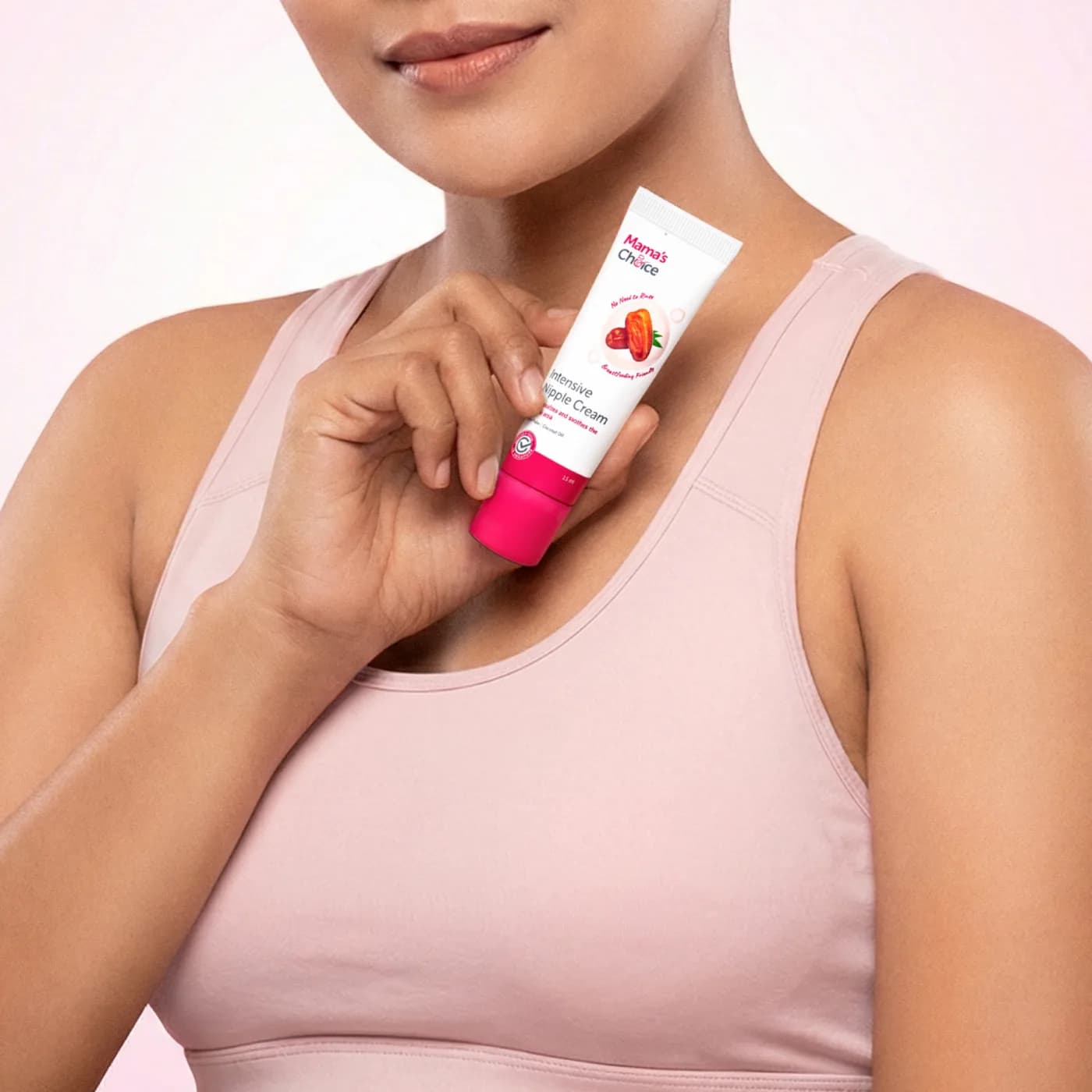
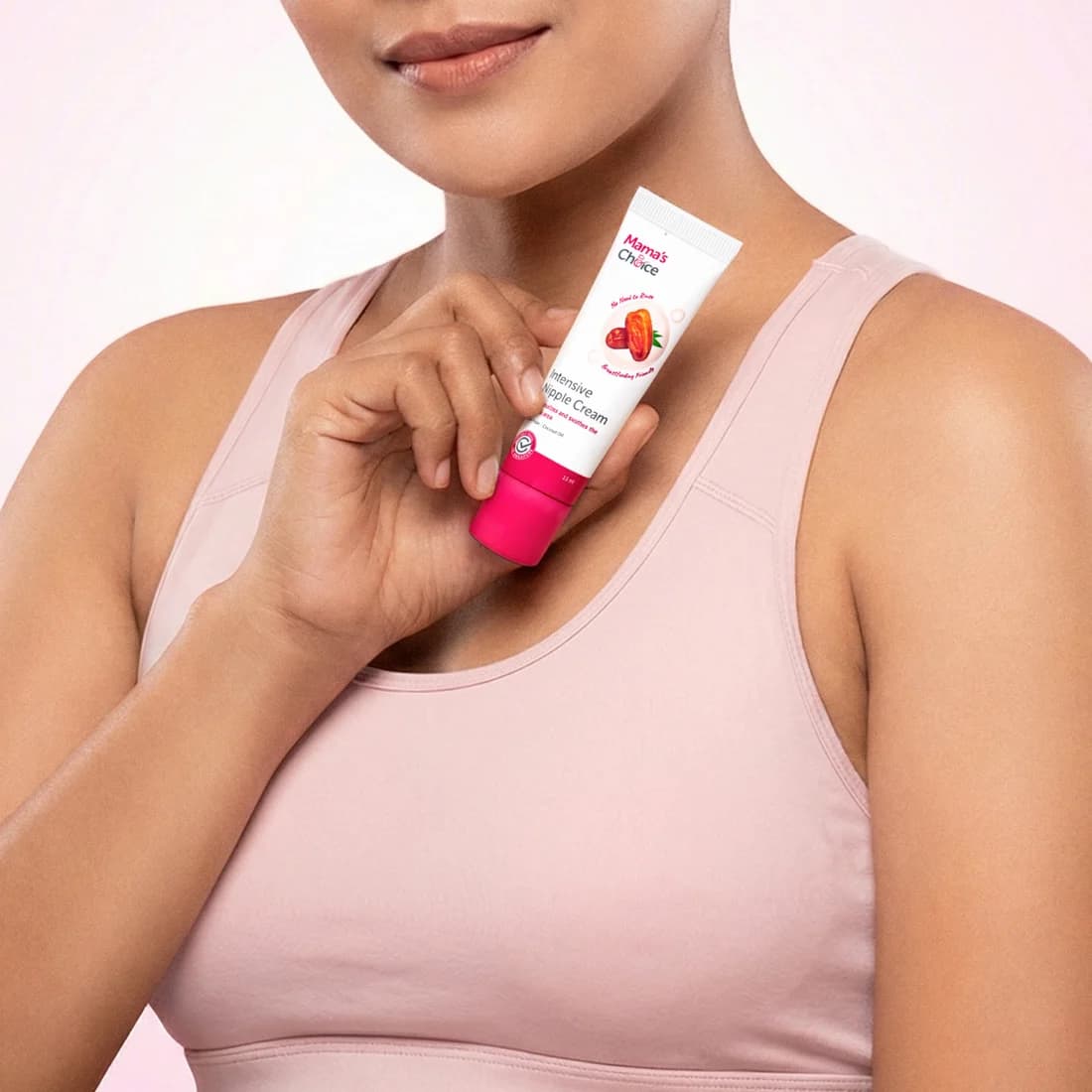
- Look after your nipples. Our Intensive Nipple Cream moisturises and protects nipple skin and helps prevent cracked nipples. It has just five ingredients, lanolin, shea butter, coconut oil, vitamin E and date fruit extract, with no fragrance or alcohol, and there is no need to wipe it off before a feed. In a Mama's Choice satisfaction survey of 74 mothers in Indonesia (2022), 96% felt dry nipple skin became softer. It is halal certified by BPJPH, Indonesia.
- Wear a comfortable bra. A wire-free nursing bra with clip-down cups, like our Maternity Nursing Bra, makes feeds quicker.
Breastfeeding is your decision, and every family's situation is different. If it is not working, or you choose formula, your baby will still thrive with your care. For help, talk to your klinik kesihatan or a lactation consultant.
Sources
- WHO: Breastfeeding
- Breast milk and the sick infant (Riskin et al., Pediatric Research, 2012)
- Direct breastfeeding and infant weight gain (Pediatrics, 2018)
- Collaborative Group on Hormonal Factors in Breast Cancer (The Lancet, 2002)
- Su et al.: Breastfeeding and ovarian cancer risk (American Journal of Clinical Nutrition, 2013)
- NIH: Breastfeeding may help prevent type 2 diabetes after gestational diabetes
- Cleveland Clinic: The benefits of breastfeeding for baby and for mom
Share this article
This article is for information only and is not a substitute for diagnosis or medical advice. Please talk to your doctor about your own situation.