6 ways to deal with itchy skin during pregnancy
Why your skin itches in pregnancy, six simple ways to stay comfortable, and the itching on palms and soles that needs a blood test straight away.
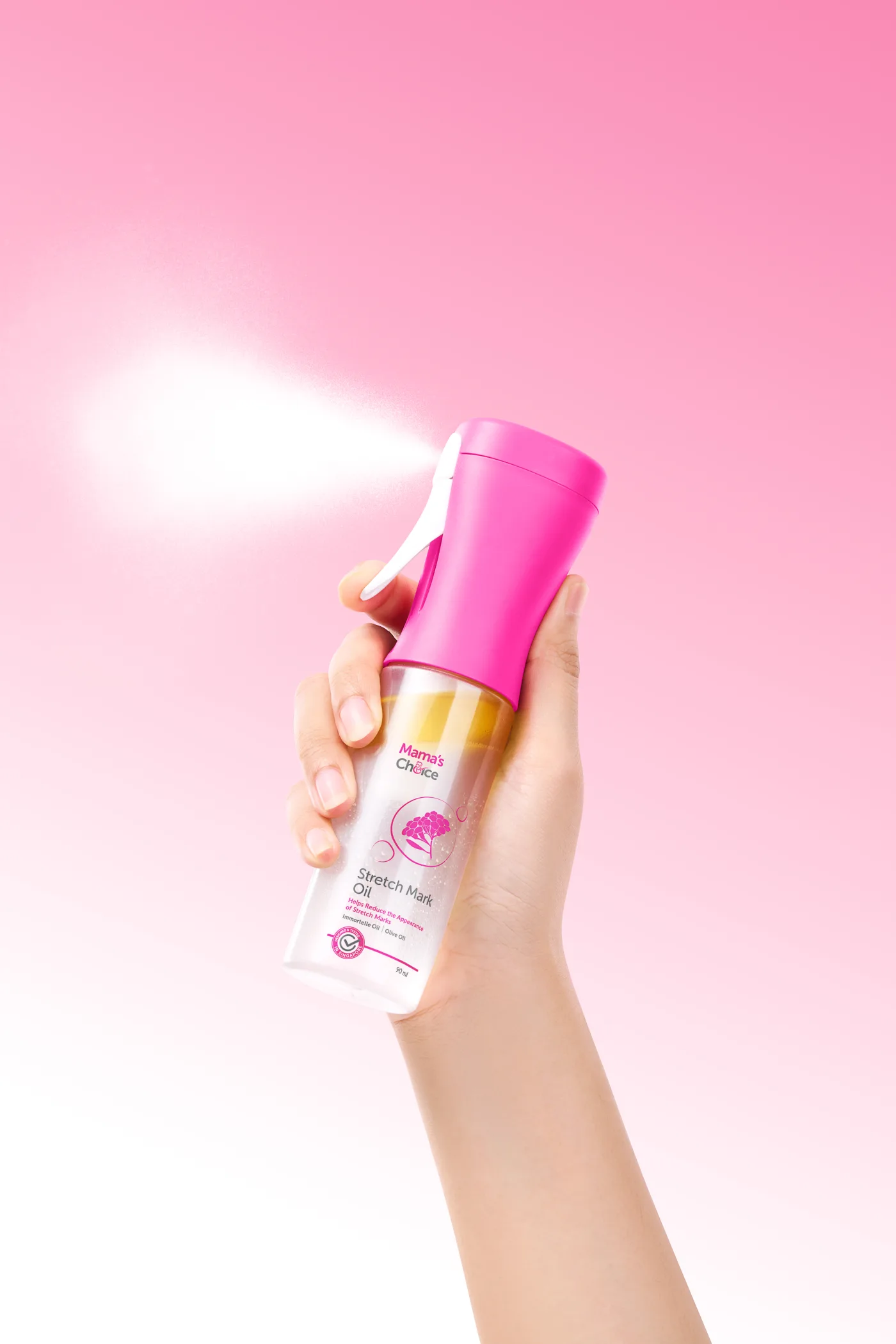
Itchy skin is a common, nagging part of pregnancy, especially on the bump. Most of the time it comes from skin that is dry and stretching, and simple care makes it bearable. Occasionally itching is a sign of a liver condition that needs a blood test, so it helps to know the difference.
See a doctor promptly if the itching is on the palms of your hands or the soles of your feet, is worse at night, or comes without any rash. Those are the typical signs of obstetric cholestasis, covered at the end of this article.
Why pregnancy makes you itch
Pregnancy hormones change how your skin holds moisture, and many women find their skin drier and more sensitive than usual. Meanwhile, the skin over your belly, breasts, hips and thighs is stretching fast. Stretched, dry skin feels tight and itchy, and the itch often shows up just where stretch marks are likely to appear. Heat and sweat in our climate add to it.
Six ways to ease it
1. Shower in lukewarm water
Hot water strips oil from your skin and leaves it drier. Keep showers short and lukewarm. A cool, damp cloth on an itchy patch can bring quick comfort.
2. Choose a mild wash
Some foaming agents, sodium lauryl sulfate (SLS) in particular, can irritate sensitive skin. Pick a gentle, fragrance-free body wash, or one made with milder cleansers such as sodium cocoyl glutamate, and use only a little.
3. Pat dry with a soft towel
Rubbing irritates. Pat your skin dry, paying attention to folds under the bump and breasts where sweat collects.
4. Try not to scratch
Easier said than done. Scratching damages the skin surface, makes it more inflamed and can break the skin. Keep nails short, and press or pat an itchy spot instead.
5. Wear loose, breathable clothes
Soft cotton and loose cuts reduce rubbing and let sweat evaporate. Avoid tight waistbands across the bump.
6. Moisturise every day
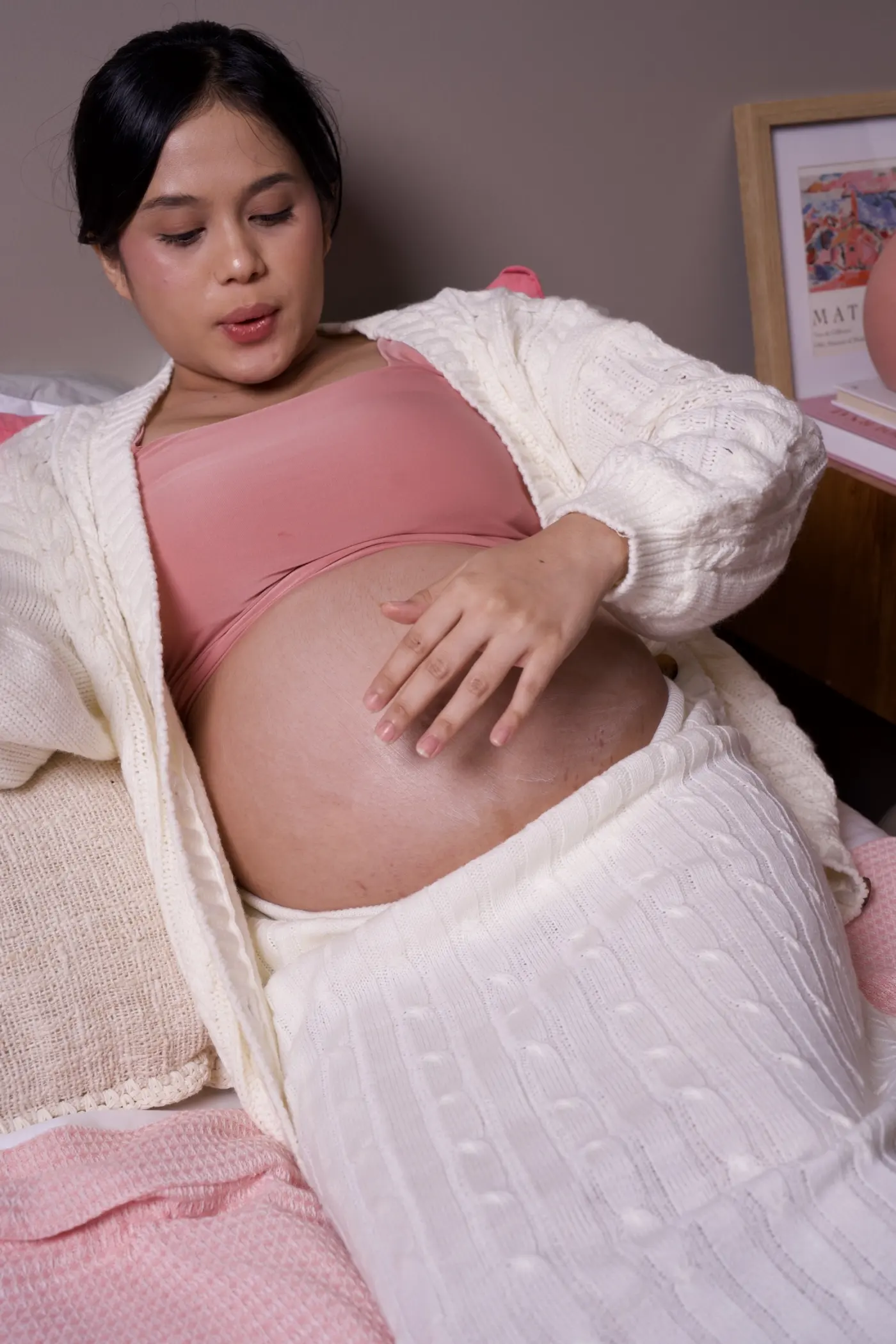
This is the single most useful habit. Apply a rich cream to the bump, breasts, hips and thighs while your skin is still slightly damp after a shower, and again at night.
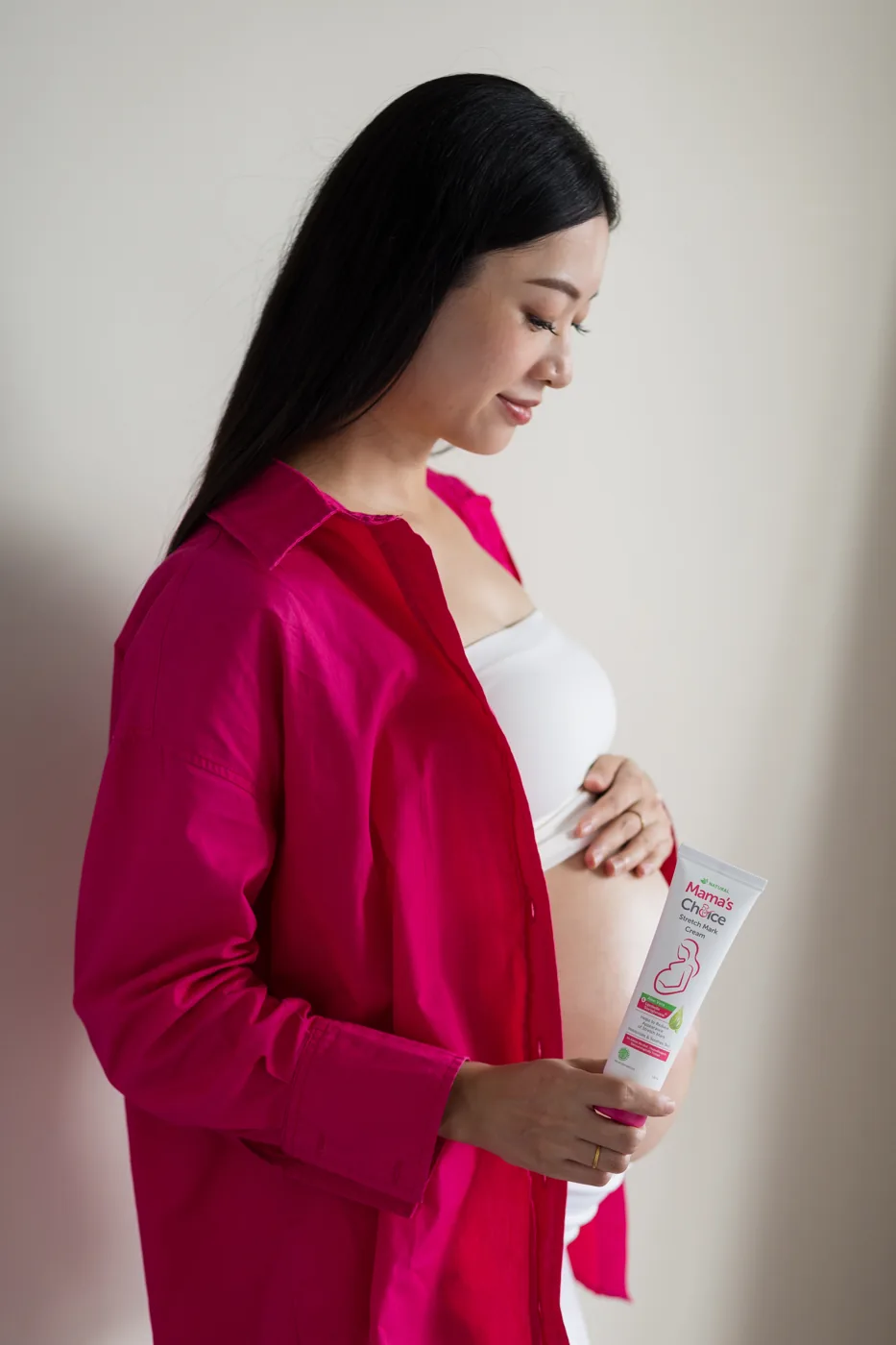
Our Stretch Mark Cream was made for stretching skin. It deeply moisturises, eases the dry, tight feel that makes a growing bump itchy, and helps prevent stretch marks. It has aloe vera, Lipobelle Soyaglycone (soy isoflavones), shea butter, olive oil and jojoba oil, and feels cool as it absorbs quickly. It is made without parabens and alcohol (alcohol denat.).
In a Mama's Choice satisfaction survey of 78 mothers in Indonesia (2022), 91% felt their stretch marks looked less visible and 88% felt fewer new stretch marks appeared while they used it. Results vary from person to person.
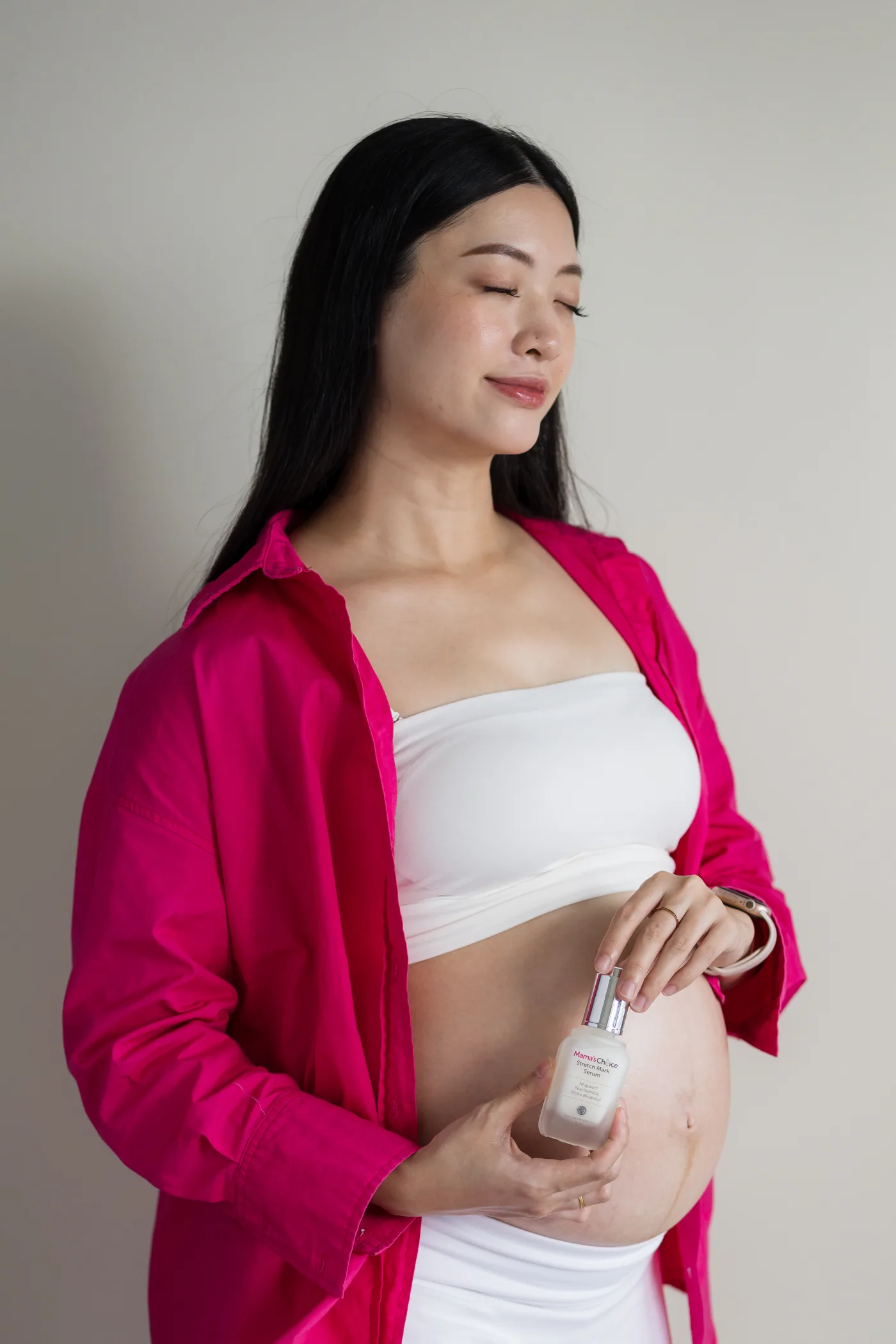
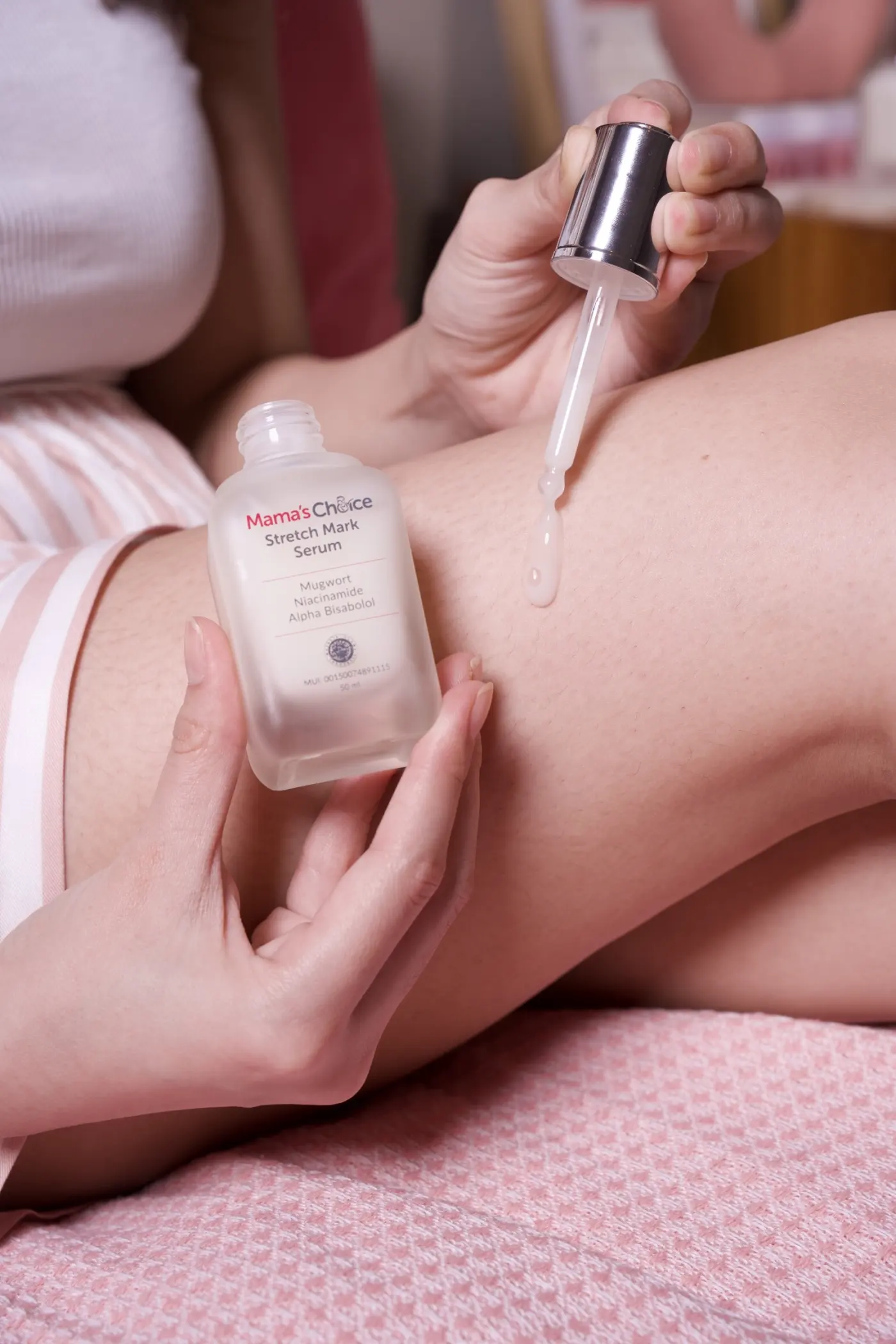
For a two-step routine, apply the Stretch Mark Serum first, then the cream. Both are formulated for pregnancy and breastfeeding and halal certified by BPJPH, Indonesia. Start early, from the second trimester, for the most comfortable skin. Buy them on Shopee.
When itching needs a doctor
Obstetric cholestasis
Intrahepatic cholestasis of pregnancy, or obstetric cholestasis, is a liver condition in which bile acids build up in the blood. It usually starts in the third trimester. The NHS lists its main signs:
- Itching, often severe, especially on the palms and soles
- Itching that is worse at night
- Usually no rash, although skin may be marked from scratching
- Sometimes dark urine, pale stools or yellowing of the skin and eyes
It needs a blood test for bile acids and liver function. Because it raises the risk of complications for the baby, doctors monitor it closely and may suggest delivering early. Do not wait for your next appointment. Tell your doctor or go to your hospital the same day.
Itchy rashes
Some women develop an itchy, bumpy rash that starts in stretch marks on the belly in late pregnancy, often in a first pregnancy. It is called polymorphic eruption of pregnancy. It is harmless to the baby and clears after birth, but a doctor can prescribe creams to ease it. Any rash with blisters, or a rash that spreads quickly, should be checked.
See a doctor too if the skin is weeping, peeling or looks infected, or if itching keeps you awake despite good care.
Sources
Share this article
This article is for information only and is not a substitute for diagnosis or medical advice. Please talk to your doctor about your own situation.