How fathers can help with breastfeeding
Breastfeeding goes better with a partner on the team. Practical ways fathers can help, from night feeds and housework to a relaxing back massage.
Breastfeeding is often talked about as something only the mother does. She is the one making the milk, but research on breastfeeding consistently finds that a supportive partner makes a big difference to how long and how happily a mother breastfeeds. Fathers cannot do the feeding. They can do almost everything around it.
In Malaysia, fathers in the private sector are now entitled to 7 days of paid paternity leave under the Employment Act, and civil servants get similar leave. Use it. The first weeks are when your help counts most.
Ten ways to help

1. Let her rest
New mothers are short on sleep and recovering from birth. Take the baby between feeds so she can nap. If your baby is fed but still unsettled, hold her against your chest, walk, rock and hum. Skin-to-skin contact with a father calms babies too.
2. Be part of the night feeds
You cannot feed, but you can bring the baby to her, change the diaper before or after, fetch water, and settle the baby back to sleep while she goes back to bed. Sharing the night makes it feel less lonely.
3. Learn about breastfeeding together
Go to the antenatal breastfeeding class with her. Learn what a good latch looks like, how often newborns feed, and the signs that a baby is getting enough. When she is exhausted at 3am and doubting herself, you can be the calm one who remembers.
4. Listen and encourage
Breastfeeding can be hard at first, and her body is changing fast. Listen without rushing to fix things. Tell her she is doing well. If she wants to keep going, back her, and if friends or relatives give unhelpful advice, step in.
5. Take on the housework
Cooking, laundry, cleaning and errands. Every chore you do is time she can spend resting or feeding without worry.
6. Feed her well
Breastfeeding makes many mothers hungry and thirsty. Keep healthy snacks and a bottle of water within reach wherever she feeds. Cook balanced meals, or organise them from family.
7. Set up a comfortable feeding spot
A good chair, cushions for her back and arms, a footstool, a small table for water and her phone, and a cool room. These small things make long feeds easier.
8. Handle the equipment
If she pumps, wash and sterilise the pump parts and bottles, and label and store expressed milk. It is a quiet job that saves her a lot of time.
9. Look after the older children
Meals, baths, school runs and homework. It also gives older siblings time with you while the baby is little.
10. Give her a back massage

A gentle back massage helps her relax and eases the aches of feeding hunched over. Some lactation consultants teach a back massage along the spine as a way to help a mother relax before feeding or expressing.
- She sits leaning forward onto a table or the back of a chair, with a pillow to rest on.
- Using your thumbs in small circles, work down either side of her spine from the base of the neck to below the shoulder blades, for a minute or two.
- Move down to the lower back, then back up again.
- Keep the pressure gentle and ask what feels good.
A few minutes in the evening, with no hurry, is plenty.
Thoughtful gifts for a breastfeeding mum
A small present that makes her days easier shows you have noticed what she is going through.
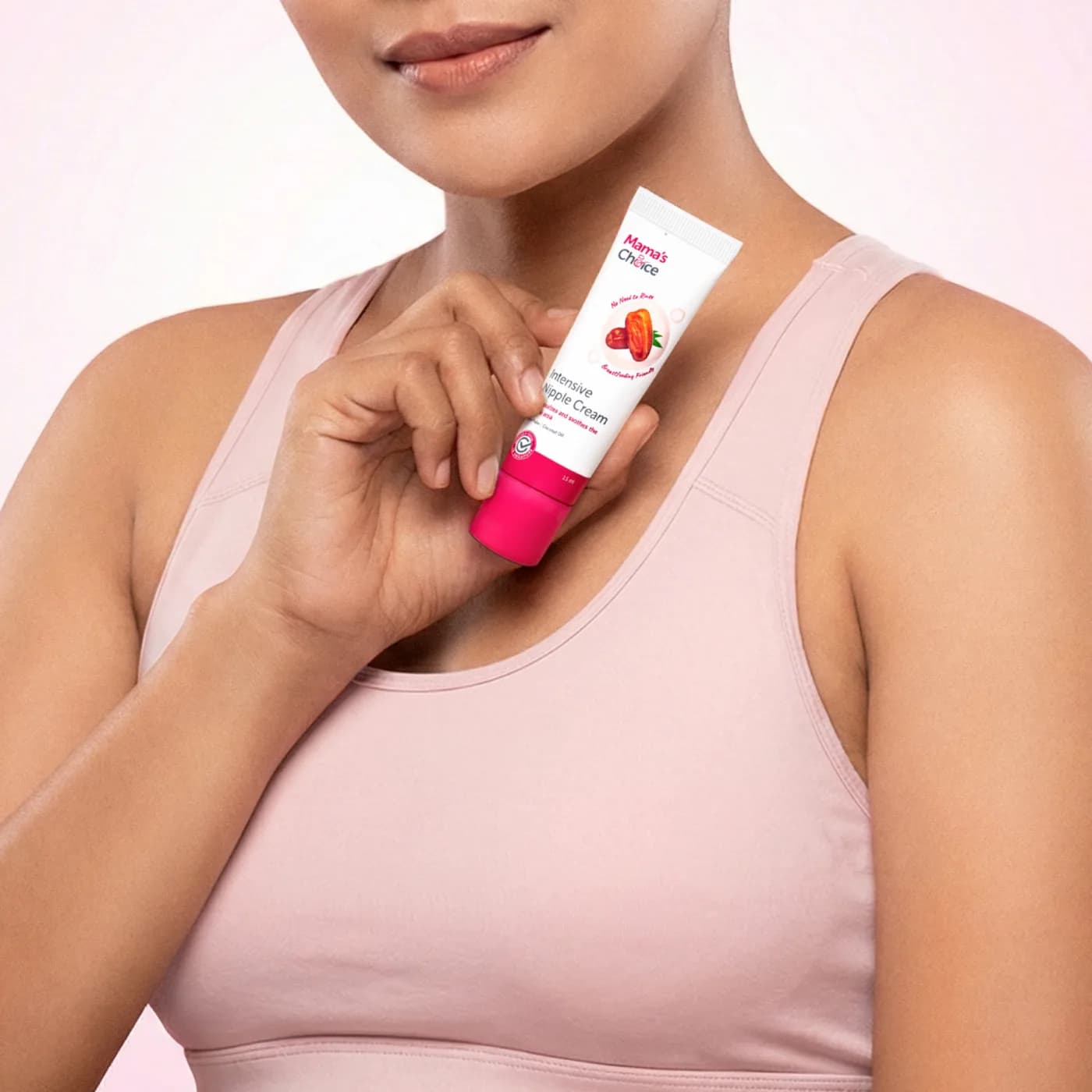
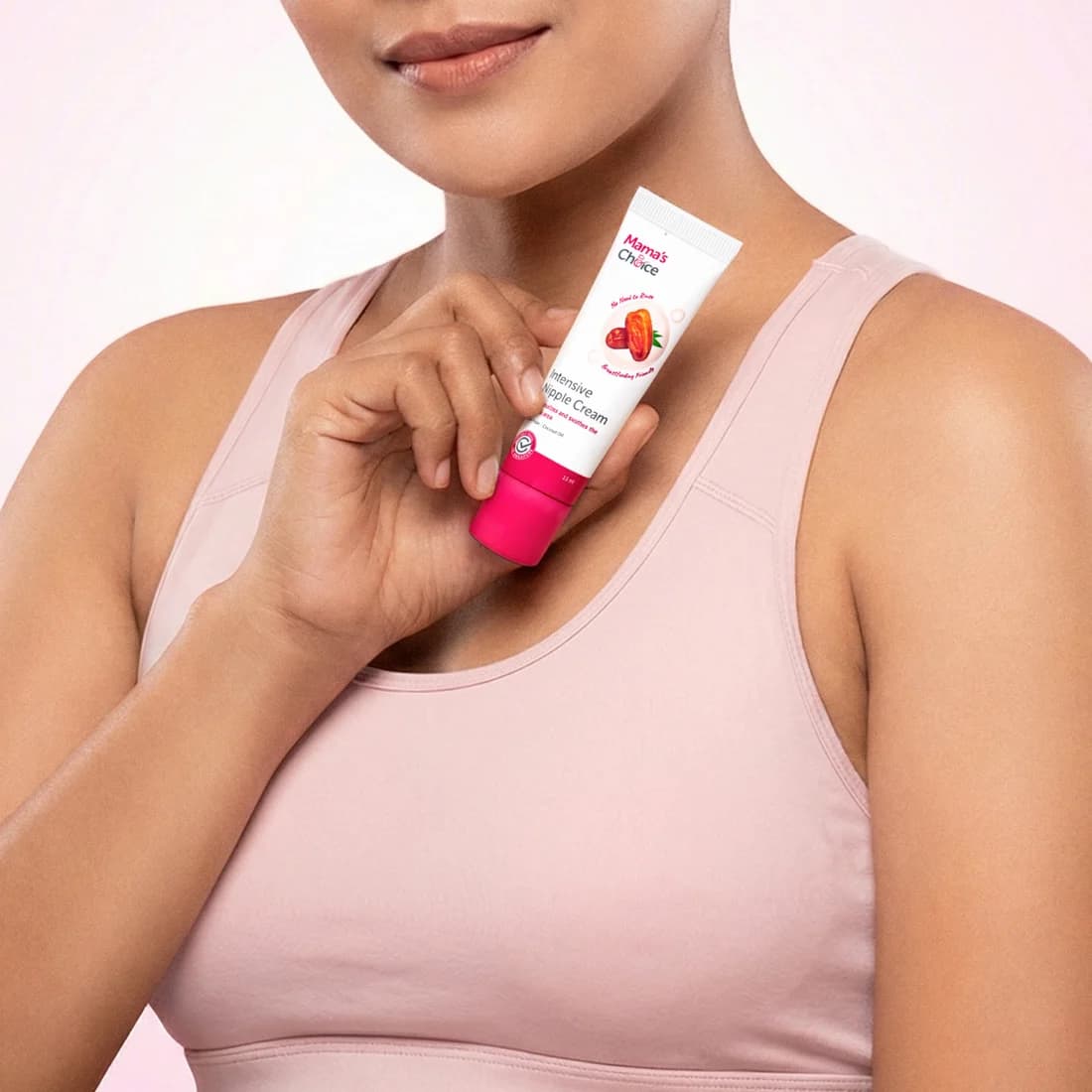
- Intensive Nipple Cream, which moisturises and protects nipple skin and helps prevent cracked nipples. There is no need to wipe it off before a feed. It is halal certified by BPJPH, Indonesia.
- A Maternity Nursing Bra, wire-free, soft and quick to open with clip-down cups.
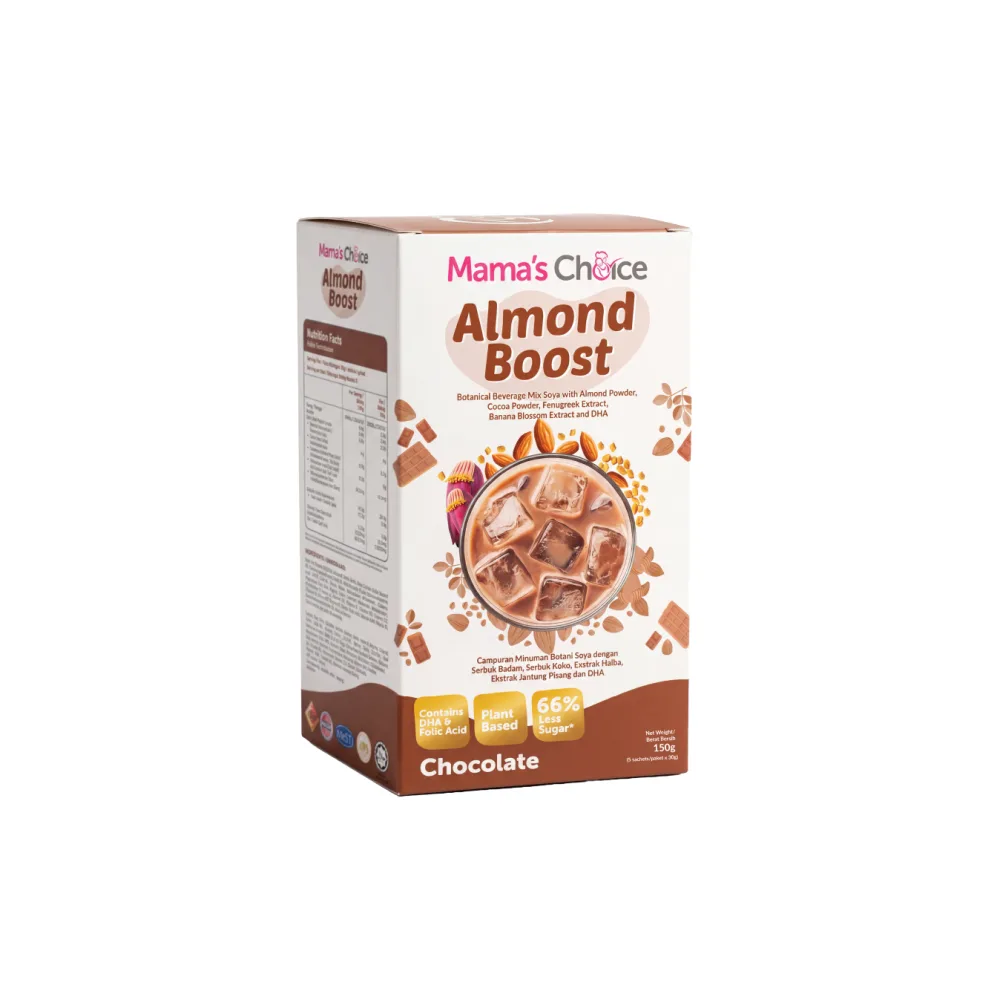
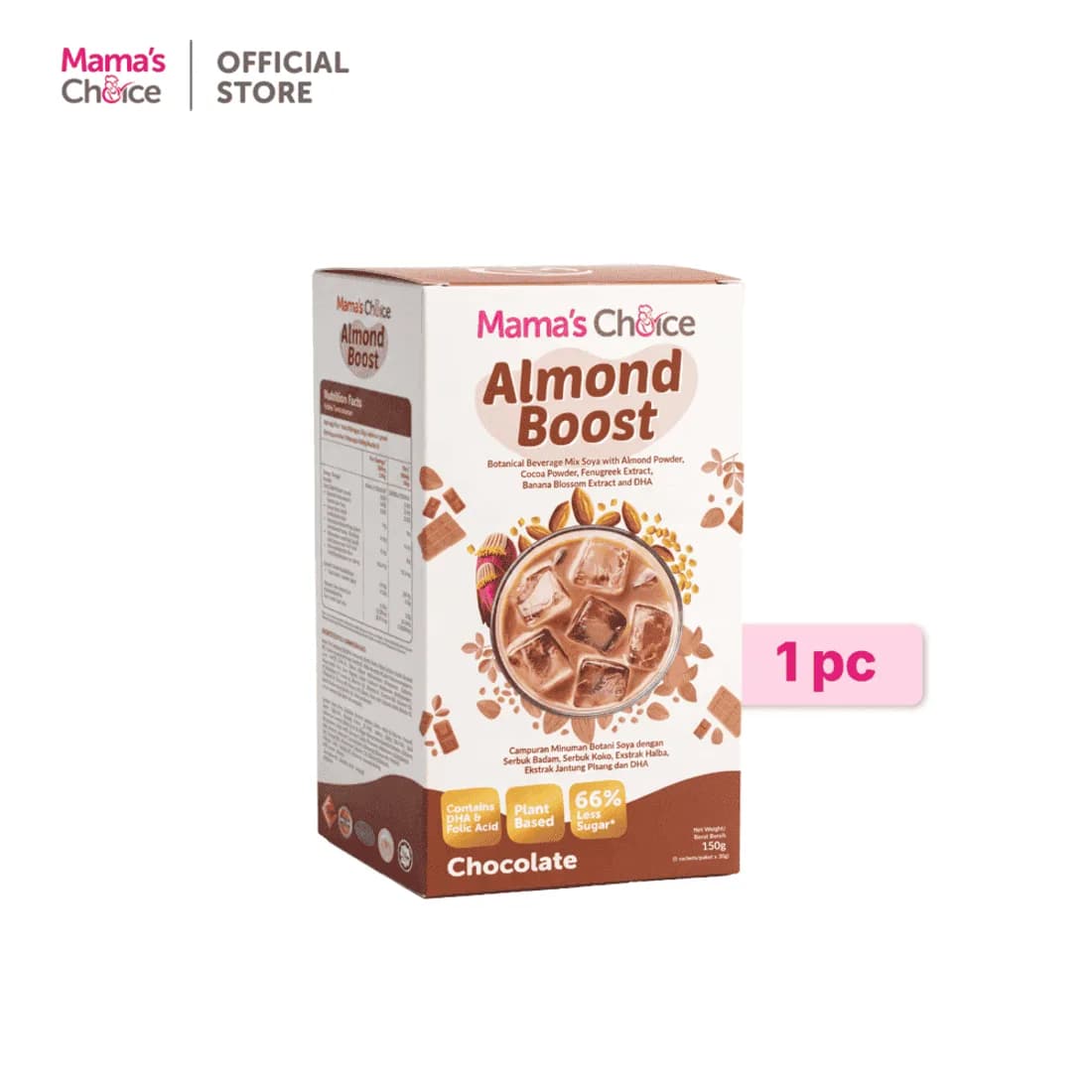
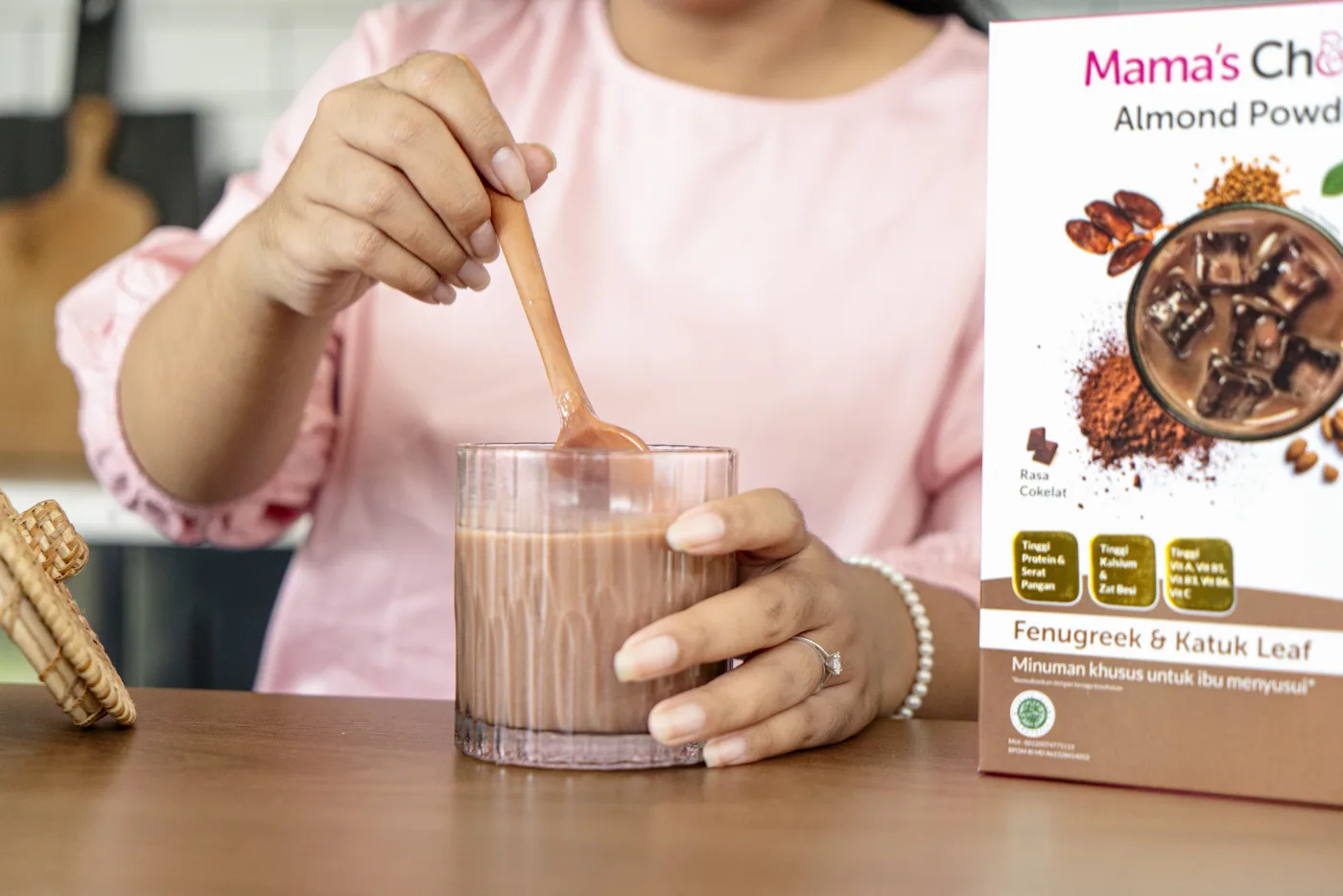
- Almond Boost, a chocolate or matcha almond drink made for breastfeeding mothers, in ready-measured sachets. Make her a cup for a quiet late-night feed, so she has a few minutes that are just hers. It is made with almond, dates, fenugreek, katuk leaf and banana blossom, and is halal certified by JAKIM.
Most of all, be there. A partner who shows up, night after night, is the support she will remember.
Sources
Share this article
This article is for information only and is not a substitute for diagnosis or medical advice. Please talk to your doctor about your own situation.