Pregnancy nausea remedies that really help
Practical help for morning sickness, what to eat and drink, how to protect your teeth after vomiting, and when nausea in pregnancy needs a doctor.

It is called morning sickness, but it can last all day. When you feel sick from waking to bedtime, getting through work, meals and family life is hard.
Nausea and vomiting are among the most common symptoms of early pregnancy. They usually start around week 6, are often worst around weeks 8 to 12, and for most women ease by weeks 16 to 20. Rising pregnancy hormones are the main cause, and an empty stomach, tiredness and strong smells make it worse.
Nausea is not a sign that anything is wrong with your baby. It cannot always be stopped, but it can often be made easier. Read more about what causes nausea in pregnancy.
Remedies to try at home
Eat little and often
An empty stomach makes nausea worse. Eat small amounts every couple of hours instead of large meals. Keep plain crackers or dry toast by the bed and eat a few before you get up.
Bland, starchy foods are easiest: plain rice, bubur, toast, biscuits, potatoes. Cold food smells less than hot food, which helps if cooking smells set you off. Fatty, fried and very spicy dishes are common triggers, so you may need a break from rendang and sambal for a while.
Try ginger
Ginger is one of the few home remedies with reasonable evidence for mild nausea in pregnancy. Try a few slices of fresh ginger steeped in hot water, ginger biscuits or ginger sweets. Food amounts are fine. Ask your doctor before taking concentrated ginger capsules.
Sip fluids through the day
Dehydration makes nausea worse, and nausea makes it hard to drink. Sip small amounts often rather than drinking a big glass at once. Try water, diluted fruit juice, coconut water or ice chips. Drinking between meals rather than with them helps some women.
Rest when you can
Tiredness makes nausea worse. Go to bed earlier, rest in the afternoon if you can, and ask for help with chores and cooking. Get up slowly in the morning.
Avoid your triggers
Smells are the big one. Common culprits include cooking oil, fish, durian, coffee, perfume and petrol. Open windows, use a fan, and let someone else cook for now. Some women find sniffing a cut lemon or a mint leaf helps.
Wear loose clothes
Tight waistbands press on the stomach. Loose, comfortable clothing helps many women feel less queasy.
Get some fresh air and gentle movement
A short walk outside, in the cooler morning or evening, can ease nausea and lift your mood.
When home remedies are not enough
If nausea is affecting your daily life, talk to your doctor or klinik kesihatan. Treatment is available, and you do not have to put up with it.
Vitamin B6 (pyridoxine), sometimes combined with an antihistamine, is often the first medicine doctors suggest. There are also prescription anti-sickness medicines that are used in pregnancy. Take these only on your doctor's advice, and do not take herbal products or jamu for nausea without checking first.
Some women find acupressure wristbands helpful. They are cheap and harmless to try.
When to see a doctor urgently
A small number of women develop hyperemesis gravidarum, severe and persistent vomiting that needs medical treatment, sometimes a drip in hospital. It is not your fault and it is not "just morning sickness".
See a doctor the same day, or go to hospital, if you:
- Cannot keep any food or fluids down for 24 hours
- Have very dark urine, or have not passed urine for more than 8 hours
- Feel dizzy or faint when you stand up
- Are losing weight
- Vomit blood
- Have stomach pain, a high temperature or pain when passing urine
In an emergency, call 999. If the sickness is making you feel low or hopeless, tell your doctor. You can also call Talian Kasih on 15999.
Protecting your teeth after vomiting
Stomach acid softens tooth enamel. Brushing straight after vomiting rubs the softened surface away, so wait before you brush.
Rinse your mouth with plain water, or with half a teaspoon of baking soda in a glass of water. Then wait about an hour before brushing. Keep up twice-daily brushing, even when it is hard, and see a dentist during your pregnancy. Our article on toothaches during pregnancy has more.
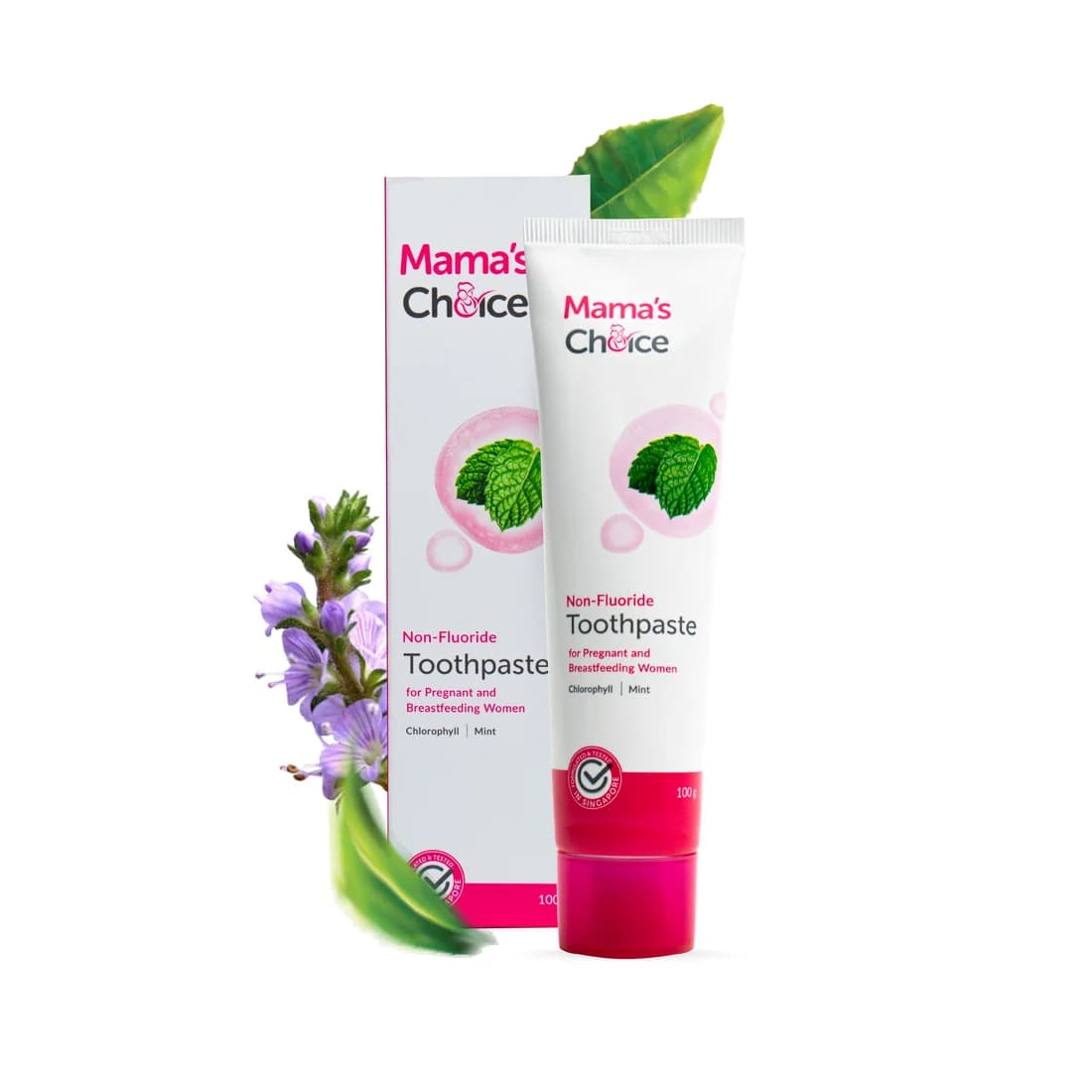
For many women, the toothbrush itself is a trigger. A small, soft brush, a tiny amount of paste and a milder flavour can make it easier. Our Non-Fluoride Toothpaste was made with this in mind: a gentle mint paste with miswak extract, made without fluoride or SLS. In a Mama's Choice satisfaction survey of 62 mums in Indonesia in 2022, 93% felt comfortable using it with no nausea, and 89% felt the mint was just right. It is halal certified by BPJPH, Indonesia.
Fluoride toothpaste is safe in pregnancy and gives the most protection against decay, so if you can manage one, keep it in your routine. Our guide to pregnancy-safe toothpaste explains the choice.
It will pass
Most women feel much better by the middle of pregnancy. Until then, be gentle with yourself. Eat what you can keep down, rest, and ask for help.
Frequently asked questions
- Does ginger really help morning sickness?
- Ginger is one of the few home remedies with reasonable evidence for mild nausea in pregnancy. A few slices of fresh ginger steeped in hot water, ginger biscuits or ginger sweets are fine in food amounts. Ask your doctor before taking concentrated ginger capsules.
- What can I take for nausea while pregnant?
- Vitamin B6 (pyridoxine), sometimes combined with an antihistamine, is often the first medicine doctors suggest, and prescription anti-sickness medicines are also used in pregnancy. Take these only on your doctor's advice, and check before taking herbal products or jamu for nausea.
- Should I brush my teeth right after vomiting?
- No. Stomach acid softens tooth enamel, and brushing straight away rubs the softened surface off. Rinse with plain water, or half a teaspoon of baking soda in a glass of water, then wait about an hour before you brush.
- When does morning sickness stop?
- It usually starts around week 6, is often worst around weeks 8 to 12, and for most women eases by weeks 16 to 20. If it is affecting your daily life before then, talk to your doctor or klinik kesihatan, because treatment is available.
- How do I know if it is hyperemesis gravidarum?
- Hyperemesis gravidarum is severe, persistent vomiting that needs medical treatment, sometimes a drip in hospital. See a doctor the same day or go to hospital if you cannot keep any food or fluids down for 24 hours, have very dark urine or have not passed urine for more than 8 hours, feel dizzy or faint when you stand, or are losing weight.
Sources
Share this article
This article is for information only and is not a substitute for diagnosis or medical advice. Please talk to your doctor about your own situation.