
A comprehensive guide to back pain during pregnancy
Why your back aches in each trimester, how to prevent and ease it at home, the warning signs that need a doctor, and what to expect after birth.
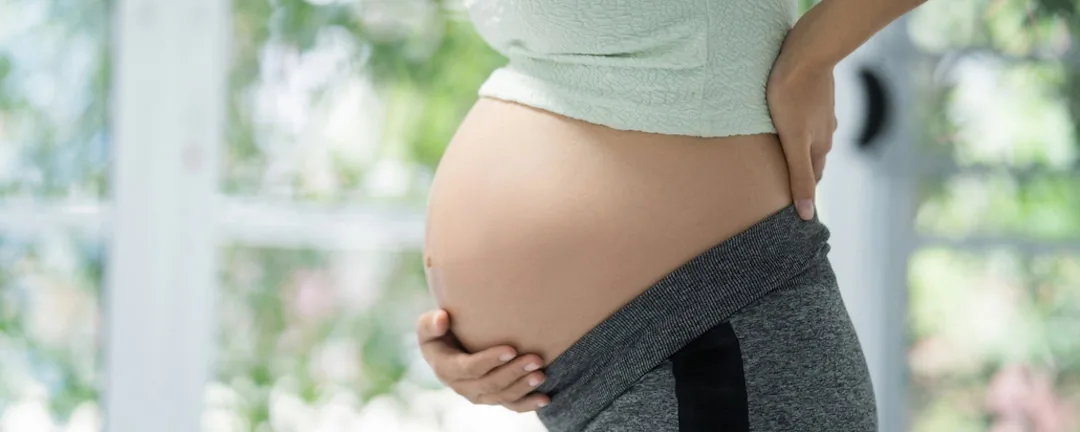
Back pain is one of the most common discomforts of pregnancy. A review of the research puts it at around half of all pregnant women, and for most it eases after the baby arrives. It is rarely a sign that anything is wrong with the baby. Still, it can wear you down, and a few simple changes make a real difference.
Why your back hurts in each trimester
First trimester
Hormones are the main reason. Relaxin and progesterone loosen the ligaments that hold your joints together, so your pelvis can widen for birth. The joints of the lower back and pelvis become less stable, and the muscles around them work harder. Some women notice an ache within the first few weeks.
Second trimester
As your bump grows, your centre of gravity moves forward. Many women lean back to balance, which deepens the curve of the lower back and strains its muscles. The sacroiliac joints, where the spine meets the pelvis, may also become looser and sore.
Third trimester
The weight of the baby and womb is at its highest. The two long muscles down the front of your tummy may separate along the midline to make room, which leaves the back with less support from the front. Pressure on nerves in the pelvis can cause pain that shoots into the buttock or down the leg.
Pelvic girdle pain
Some women feel pain at the front of the pelvis, over the pubic bone, or across the back of the pelvis rather than in the back itself. This is called pelvic girdle pain. It often hurts most when you climb stairs, stand on one leg or roll over in bed. A physiotherapist can help, so mention it at your antenatal check.
Not everyone gets all of this. Some women have an ache only early on, others only near the end, and some hardly at all.
How to prevent back pain
Bend your knees, not your back. When you pick something up, squat down with your back straight and lift with your legs. Hold the object close to your body.
Avoid heavy lifting. Ask for help with shopping bags, laundry baskets and older children where you can.
Change position often. Sitting or standing in one position for a long time stiffens the back. Get up and walk around every half hour or so at work.
Sit well. Choose a chair with good back support, or put a small cushion behind your lower back. Keep your feet flat on the floor.
Wear flat, supportive shoes. High heels tip your weight further forward.
Keep moving. Regular gentle exercise such as walking, swimming and pregnancy yoga strengthens the muscles that support your spine. Ask your doctor first if you have any pregnancy complications.
How to ease it at home
- Sleep on your side with your knees bent and a pillow between them. A pillow under the bump helps too. The NHS advises going to sleep on your side from 28 weeks.
- Use warmth. A warm (not hot) bath or a warm compress on the sore area relaxes tight muscles. A cold pack wrapped in a towel suits some people better. Try each for about 15 minutes.
- Get a massage from someone trained in pregnancy massage, or ask your partner to rub your lower back gently.
- Rest when you can, and say yes to help.
- Try stretches such as gentle cat-cow on all fours and pelvic tilts, which take pressure off the lower back.
- Ask about medicine. Paracetamol is generally considered suitable in pregnancy at the usual dose. Do not take ibuprofen or other anti-inflammatory painkillers unless your doctor says so.
Comfortable clothes that support your bump without pressing on it make long days easier. Our Maternity Leggings have a high, adjustable waistband that sits over the bump and grows with you. In a Mama's Choice satisfaction survey of 63 mothers (2022), 98% found them comfortable to wear and 97% felt they covered the bump well. Have a look on Shopee.
When to see a doctor
Back pain is usually just your body adjusting. See a doctor promptly if it comes with:
- Vaginal bleeding or fluid leaking
- Fever, or burning or pain when you pass urine
- Pain in one side under the ribs, which can mean a kidney infection
- Pain that comes and goes in a regular rhythm, which may be contractions, especially before 37 weeks
- Numbness around your bottom or genitals, weakness in your legs, or trouble controlling your bladder or bowels. These need emergency care: go to the hospital or call 999.
Is back pain harmful to the baby?
No. Ordinary back pain does not hurt your baby. It is a sign of your body changing to carry the extra weight. The exceptions are the warning signs above, which can point to infection or early labour, so get those checked.
Back pain after birth
For most women, pregnancy back pain fades in the weeks after delivery as hormones settle and the ligaments tighten. For some it lingers, and lifting a baby, feeding hunched over and broken sleep can keep it going.
- Feed with your back supported and bring the baby up to you on a pillow, instead of leaning down.
- Squat to lift the baby from the floor or cot, and hold her close.
- Start pelvic floor exercises soon after birth, and gentle walking as soon as you feel ready, whether you had a vaginal birth or a caesarean.
- After a caesarean, wait until your doctor clears you before doing harder exercise.
If pain lasts beyond a few months, or you also have pelvic pain or leaking, ask your doctor to refer you to a physiotherapist. Treatment works, and you do not have to put up with it.
Sources
Share this article
This article is for information only and is not a substitute for diagnosis or medical advice. Please talk to your doctor about your own situation.