How to bathe a newborn baby, with or without the umbilical cord
Step-by-step newborn bathing: sponge baths before the cord falls off, tub baths after, water temperature, cord care, safety tips and confinement herbal baths.
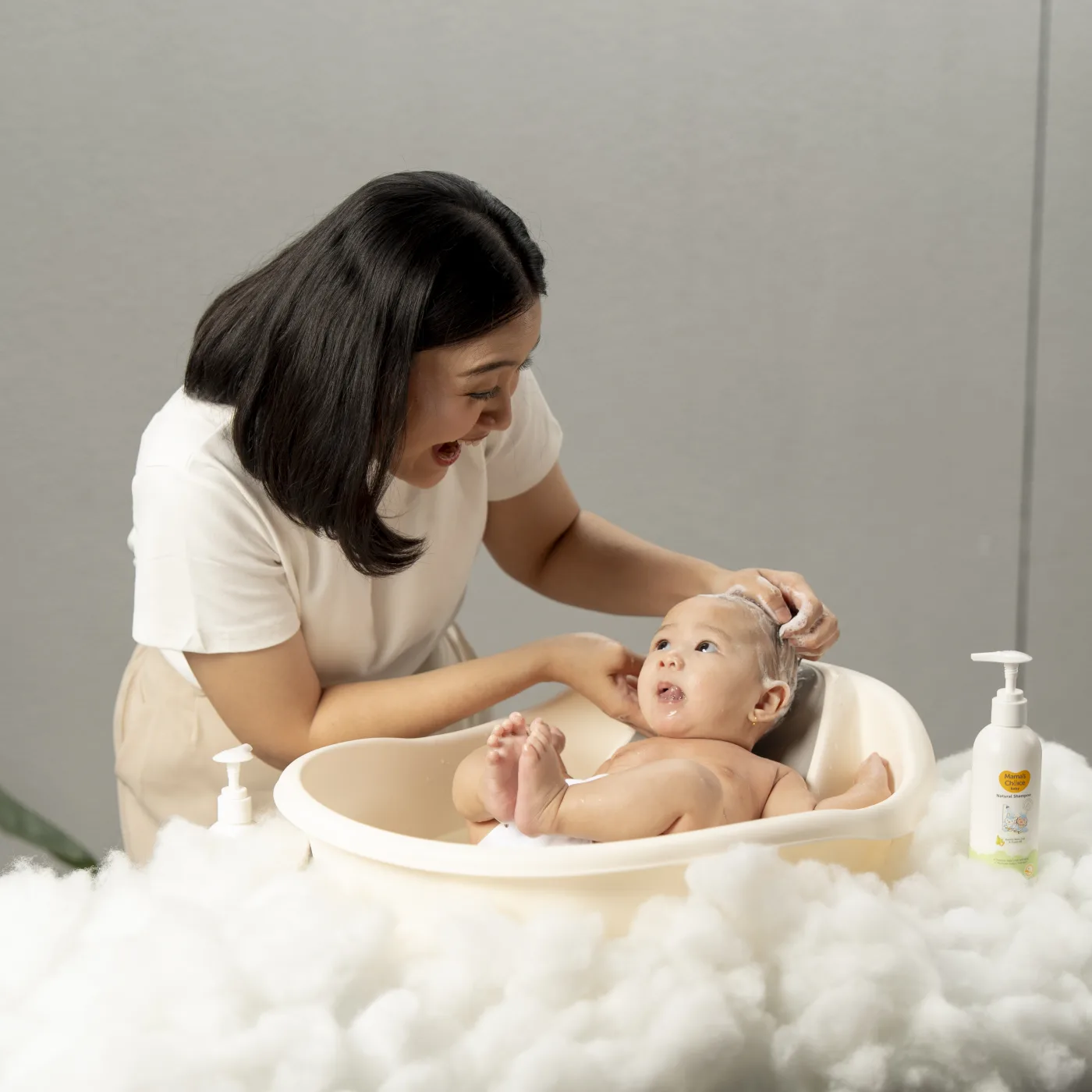
Bath a newborn in plain warm water at about 37°C, support her head and neck on your forearm, and keep it to a few minutes. Until the umbilical cord stump falls off, a sponge bath is simplest. And never, even for a moment, leave her alone in the water.
Almost nobody feels confident the first time. A wet baby is slippery and loud, and it gets much easier within a week.
Why the first bath can wait
The WHO recommends waiting at least 24 hours after birth before a baby's first bath. The white, waxy coating she is born with, called vernix, protects her skin and helps her keep warm. Many Malaysian hospitals follow this, so the first bath often happens on the ward with a nurse showing you how. Watch closely and ask questions.
Bath time is also a lovely time to bond. Nationwide Children's Hospital suggests talking to your baby during her bath, making eye contact and letting her hear your voice.
The sponge bath, before the cord falls off
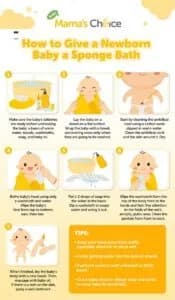
The AAP recommends sponge baths until the cord stump has dropped off. That usually happens within one to three weeks. If it has not come away by three weeks, or the area looks unwell, see a doctor.
Gather everything first: a basin of warm water, two soft towels, cotton wool or a soft cloth, a clean diaper and clothes.
- Lay her on a towel on a firm, flat surface in a warm room, with the fan or air-conditioning off. Undress one half of her at a time and keep the rest covered.
- Eyes and face first, with plain water. Wipe each eye from the inner corner outwards with a fresh piece of damp cotton wool.
- Behind the ears, neck folds and under the chin. Milk collects in the creases.
- Hands, arms, chest and back with a damp cloth.
- Diaper area last, front to back for girls. Do not pull back a baby boy's foreskin.
- Pat dry, paying attention to the skin folds.
Keep the cord stump clean and dry. Fold the diaper below it so air can reach it. The NHS says antiseptic and alcohol wipes are not needed for a healthy baby; clean around the base with water only if it gets dirty, then pat dry.
See a doctor the same day if the skin around the stump turns red and the redness spreads, if there is pus, a bad smell, bleeding that does not stop, or if your baby has a fever or is feeding poorly.
The tub bath, once the cord has fallen off
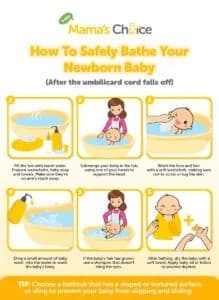
Once the stump has gone and the area has healed, she can go in a baby bath.
- Fill the tub with about 5 cm of water, which is roughly the 2 inches the AAP suggests. Run the cold water first, then the hot, and mix well.
- Check the temperature with your elbow or the inside of your wrist. It should feel just warm, around 37°C.
- Lower her in feet first, supporting her head and shoulders on your forearm and holding her far arm.
- Wash her face with plain water, then her body, then her hair last so she does not get cold.
- Five minutes is plenty. Lift her straight into a towel and dry the folds.
If she cries at first, keep her wrapped in a small cloth in the water for warmth, and keep your voice calm. Many babies come to love bath time.
How often?
The American Academy of Dermatology suggests babies need a bath about three times a week or less. In our heat and humidity, a quick daily rinse in plain water is fine if she has been sweaty. Keep soap occasional and mild, because frequent washing with soap can dry the skin.
Safety tips
- Never leave your baby alone in water, even for a second. If the doorbell rings, wrap her in a towel and take her with you.
- Keep everything within reach before you start.
- Keep the water shallow.
- Always check the temperature with your elbow before she goes in.
- Keep the room warm and free of draughts.
- Hold her firmly. Soapy babies are slippery.
- Skip cotton buds in the ears and nose. Clean only what you can see.
Choosing a baby wash
For the first weeks, plain water is enough. When you do use a cleanser, pick one made for babies that is mild, fragrance-free or lightly scented, and free of harsh sulfates. Use a small amount and rinse well. Try it on a small patch of skin first, and stop if you see redness.
Herbal baths during confinement
In many Malaysian families, the confinement month includes herbal baths for mother and sometimes for the baby, with boiled leaves or ready-made herbal packs. These traditions are meaningful.
For a newborn, though, plain water is what clinical guidance recommends. A baby's skin barrier is still developing in the first month, and herbal mixtures vary in strength and do not always list what is in them. If your family wants a herbal bath for the baby, keep it mild, keep it away from her face and the cord stump, rinse with plain water afterwards, and stop at the first sign of redness.
After the bath
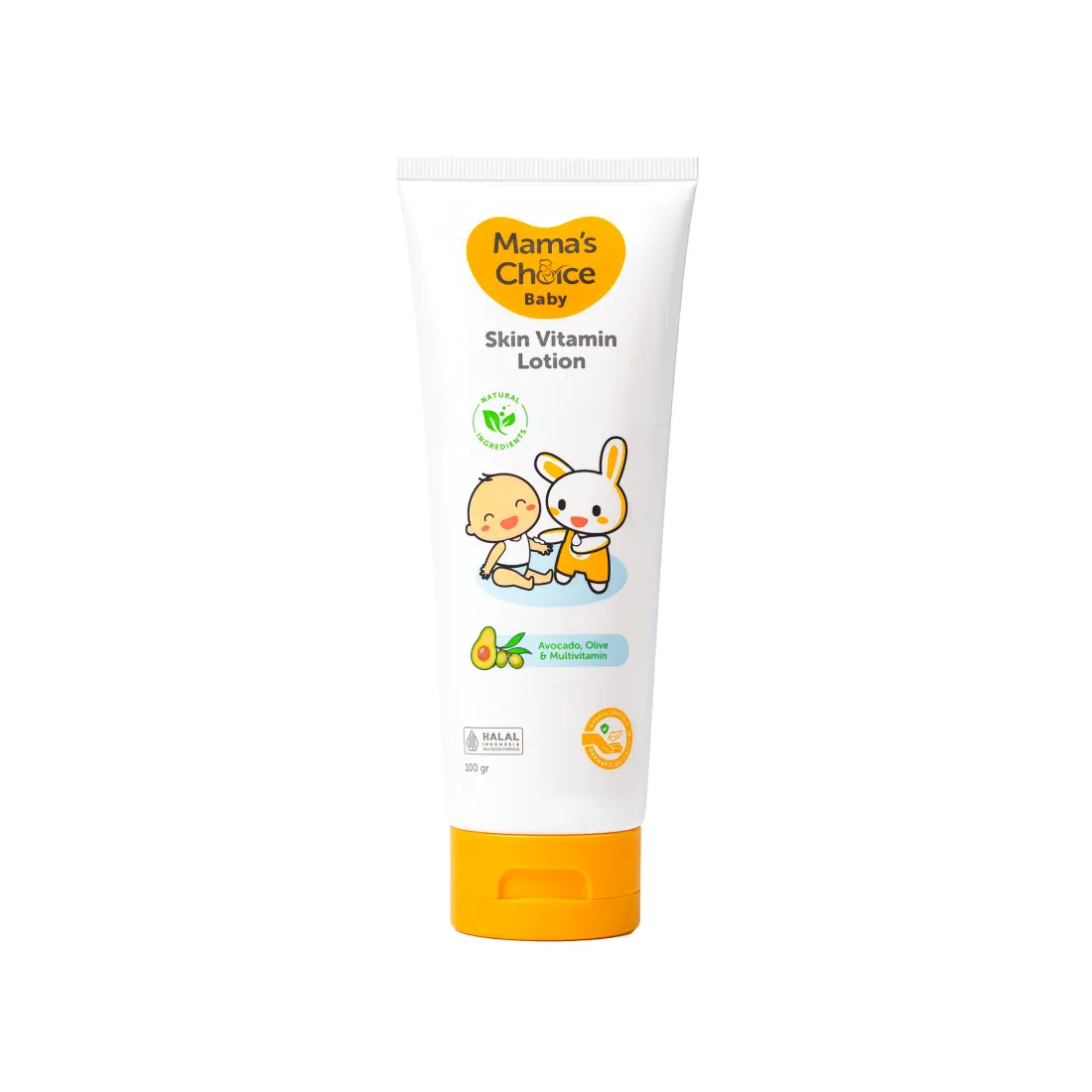
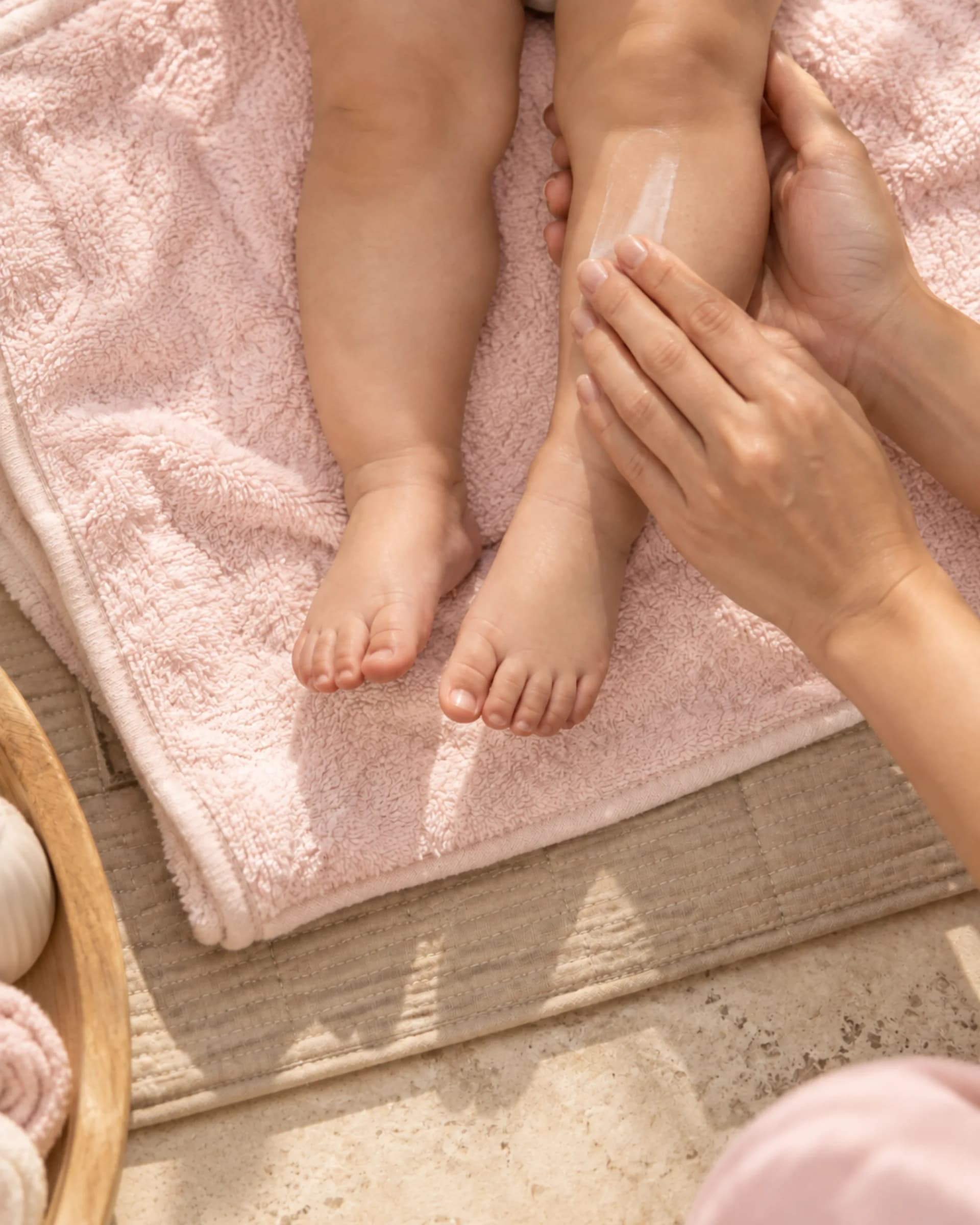
A gentle moisturiser helps if her skin is dry, especially when she sleeps in an air-conditioned room. Our Baby Body Cream moisturises and softens your baby's skin and helps protect it from dryness. It has avocado, olive and sweet almond oils, shea butter and vitamin E, absorbs quickly and does not feel greasy, so you can dress her straight away. In a Mama's Choice use test with 29 mothers in Indonesia (2022), all 29 agreed it helps moisturise their baby's skin.
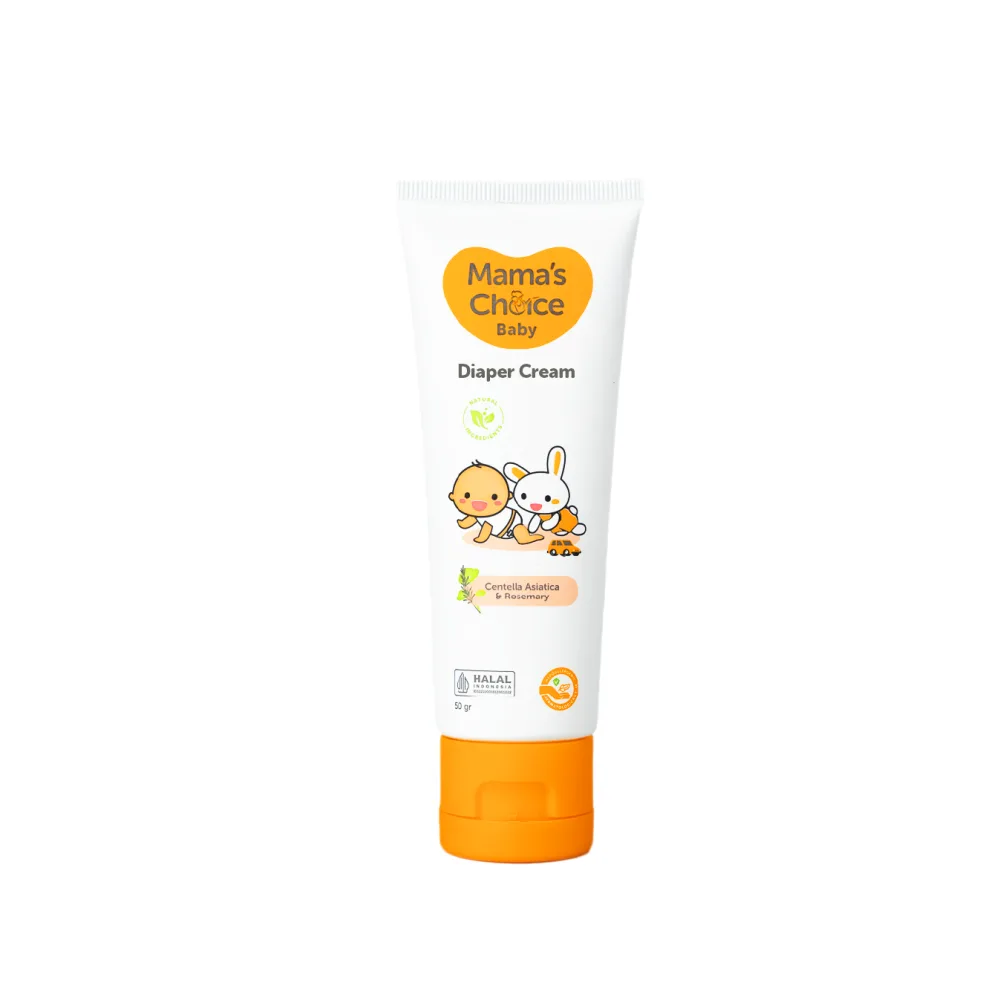
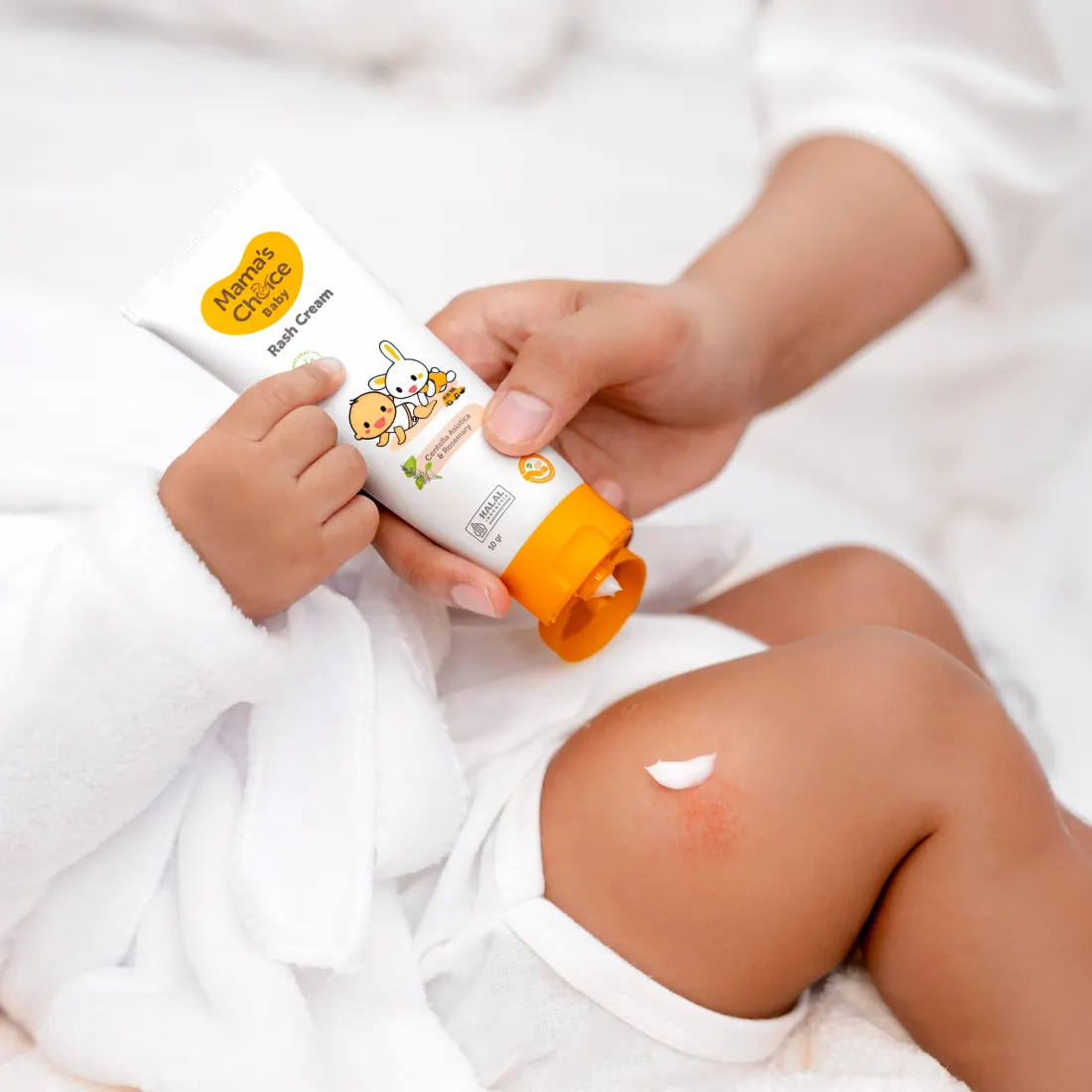
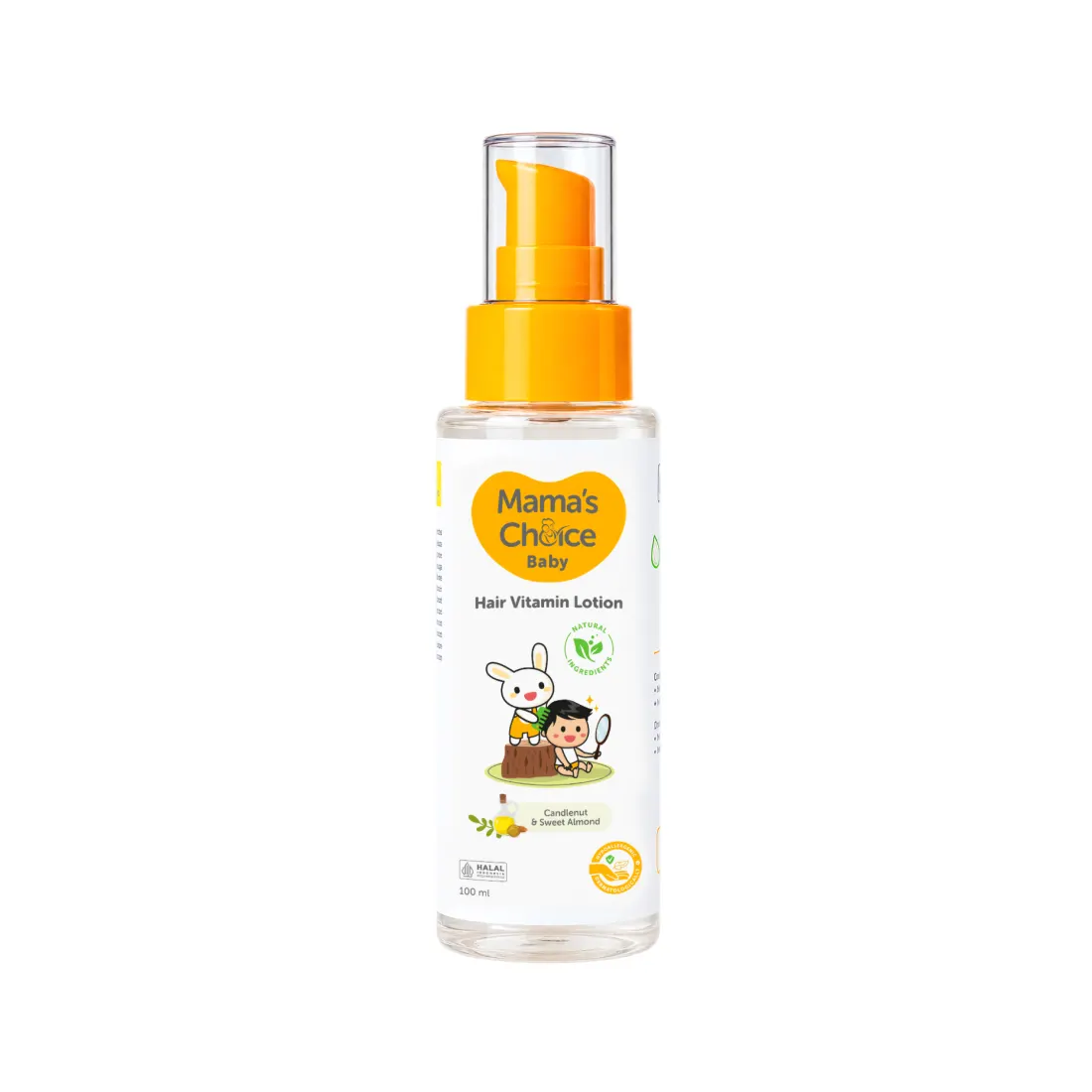
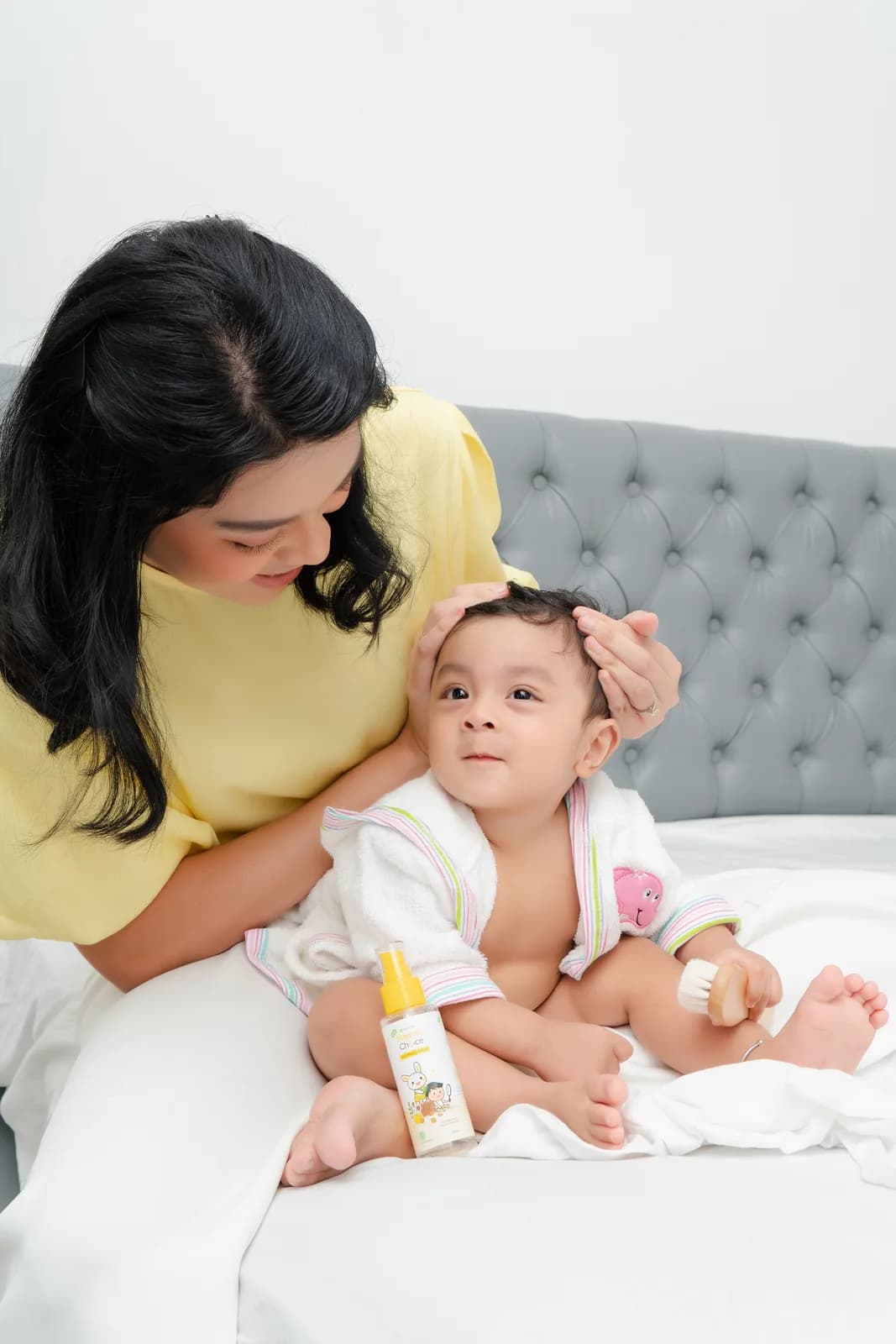
For the diaper area, a thin layer of Baby Diaper Cream keeps skin moisturised and helps protect it from wetness between changes. For a dry scalp, Baby Hair Vitamin Lotion moisturises the scalp and softens fine baby hair. Each is suitable from birth and halal certified by BPJPH, Indonesia.
Pick a regular bath time, such as late afternoon or before the evening feed. Babies like routine, and a bath at the same hour soon becomes a signal that sleep is coming.
Sources
Share this article
This article is for information only and is not a substitute for diagnosis or medical advice. Please talk to your doctor about your own situation.