
Things to avoid during pregnancy, and the reasons why
Smoking, alcohol, raw food, high-mercury fish, some medicines, overheating and retinoids: what to avoid during pregnancy, and the myths you can drop.
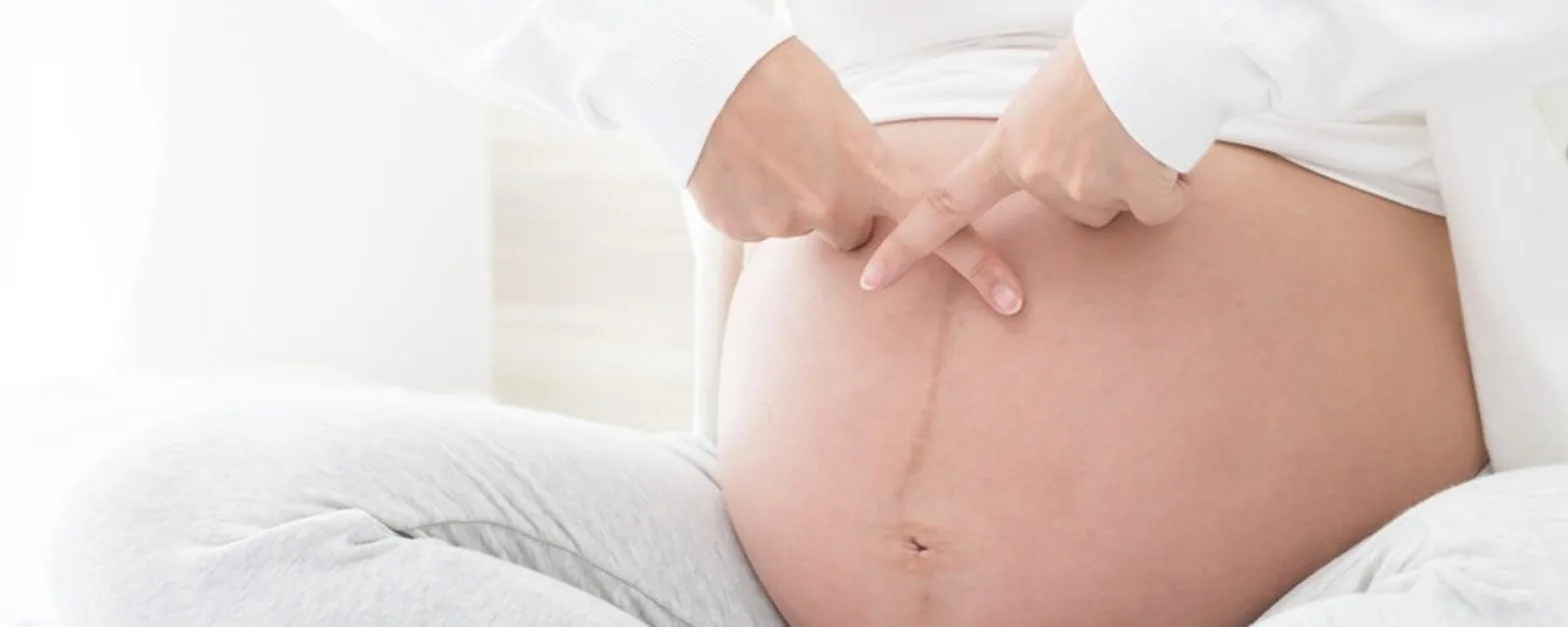
Everyone has advice for a pregnant woman. Some of it comes from science, some from family tradition, and some from nowhere in particular. The list of things genuinely worth avoiding is shorter than you might fear. It is also worth knowing why each one matters, so you can make sense of the advice you hear.
Smoking, vaping and second-hand smoke
Smoking reduces the oxygen reaching your baby. It raises the risk of miscarriage, stillbirth, premature birth, low birth weight and sudden infant death. E-cigarettes and vapes still deliver nicotine, which affects a baby's development.
Stopping at any point in pregnancy helps. Ask at your klinik kesihatan about the free quit-smoking service, and ask the people you live with to smoke outside, away from you, or better still to stop too.
Alcohol
No amount of alcohol is known to be safe in pregnancy. Alcohol crosses the placenta and can cause foetal alcohol spectrum disorders, which affect growth, learning and behaviour for life. If you drank before you knew you were pregnant, stop now and mention it at your next check-up. The risk from small amounts early on is low.
Raw and undercooked food
Pregnancy makes some food infections more likely and more serious. The main ones to avoid:
- Raw or undercooked meat, poultry and seafood, including sashimi and raw oysters
- Raw or runny eggs, including half-boiled eggs
- Unpasteurised milk and cheese, and soft mould-ripened cheeses such as brie unless cooked until hot
- Cold processed meats and pâté, unless heated until steaming
- Raw sprouts, including taugeh
Salad is fine. Wash vegetables and fruit well. Our guide to foods to avoid during pregnancy goes through each one with safer swaps.
High-mercury fish
Fish is good for you in pregnancy. A few large predatory fish carry high levels of mercury, which can affect a baby's developing nervous system. Avoid shark, swordfish (ikan todak), marlin, king mackerel and bigeye tuna.
Most other fish, including ikan kembung, ikan bilis, sardines, salmon, pomfret and canned light tuna, are good choices two or three times a week. Prawns and other shellfish are low in mercury. Just cook them well.
Too much caffeine
Keep caffeine under 200 mg a day, roughly two mugs of instant coffee. Tea, teh tarik, cola, energy drinks and chocolate count too. You do not need to cut them out, only to keep an eye on the total.
Medicines and herbs without advice
Many medicines are fine in pregnancy and some are essential, so do not stop a regular medicine without talking to your doctor. Before taking anything new, ask a doctor or pharmacist and tell them you are pregnant.
- Paracetamol is the usual first choice for pain or fever
- Ibuprofen and similar painkillers are generally avoided, especially from 20 weeks, unless a doctor advises them
- Herbal remedies, jamu, traditional tonics and supplements can contain ingredients that are not suitable in pregnancy
Folic acid, and the iron and other supplements your klinik kesihatan gives you, are the exceptions. Take those as advised.
Overheating
A very high body temperature in early pregnancy has been linked with neural tube defects. Avoid saunas, hot tubs and long, very hot baths, and take care exercising hard in Malaysia's heat. Drink plenty of water and rest in the shade.
If you have a fever, take paracetamol and see a doctor, especially if it is 38°C or higher.
Some skincare and beauty treatments
Most everyday skincare is fine in pregnancy. A few ingredients are best left until after the birth:
- Retinoids, including tretinoin and retinol creams. Oral isotretinoin for acne must never be taken in pregnancy
- Hydroquinone and other strong skin-lightening products
- High-strength chemical peels, such as strong salicylic acid peels
Cosmetic laser treatments are usually postponed because they have not been studied in pregnancy, not because they are known to cause harm. Hair colouring is generally considered fine after the first trimester in a well-ventilated room.
Ordinary preservatives and cleansers in cosmetics, such as those in toothpaste and soap, are not a reason to worry. If you prefer fewer ingredients, that is a personal choice, and plenty of products are formulated for pregnancy and breastfeeding.
Dieting to lose weight
Pregnancy is not the time to diet. Your baby needs a steady supply of nutrients. Eat regular, balanced meals and gain weight at the pace your doctor advises. If you are worried about your weight, ask for a referral to a dietitian.
Other things worth avoiding
- Cat litter and garden soil without gloves, because of toxoplasmosis. Ask someone else to clean the litter tray if you can
- Contact sports and activities with a risk of falling, such as horse riding
- Lying flat on your back for long periods in later pregnancy. Sleeping on your side from 28 weeks is advised
- Travelling without a seatbelt. Wear the lap belt below your bump and the diagonal strap between your breasts
- Mosquito bites, since dengue and Zika can be serious in pregnancy. Use repellent, cover up and clear standing water at home
Myths you can drop
You do not need to avoid peanuts, eggs or dairy to prevent allergies in your baby, unless you are allergic yourself. You can exercise, travel, raise your arms and have sex in a healthy pregnancy unless your doctor has advised otherwise. Pineapple and durian in normal amounts will not cause a miscarriage.
When to call your doctor
Call your doctor or go to hospital straight away if you have bleeding, fluid leaking, severe tummy pain, a severe headache with blurred vision or swelling, a high fever, or your baby is moving much less than usual. In an emergency, call 999.
Sources
Share this article
This article is for information only and is not a substitute for diagnosis or medical advice. Please talk to your doctor about your own situation.