
To all dads to be, from a fellow dad on our team
Two dads on the Mama's Choice team share what pregnancy felt like from the other side, with practical ways to support your wife before and after the birth.
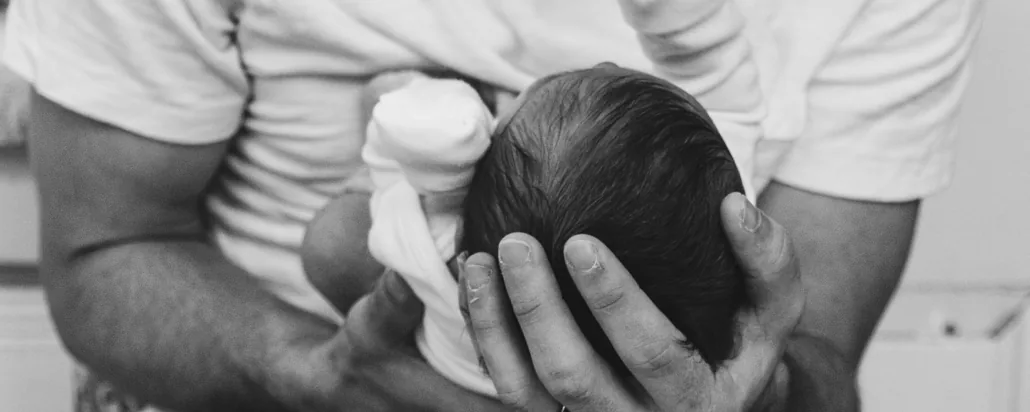
Pregnancy changes two lives, not one. Your wife carries the baby, and you are getting ready to become a father at the same time. Most of the advice out there is written for mothers, so we asked two dads on the Mama's Choice team, Deri and Indra, what it was like from their side.
How did you feel when you found out your wife was pregnant?
Deri: I was really happy, and at the same time I felt like I had suddenly got older. I just couldn't believe what I was hearing.
Indra: The first time, I was crazy excited. The second one came as a surprise, haha.
Both reactions are normal. Joy, shock, pride and a flicker of panic often arrive together. Fathers-to-be change too, if less visibly. Studies have found that many men's testosterone levels fall during their partner's pregnancy and in the early months of fatherhood, which researchers think may help them settle into caring for a baby.
What did you do for your wife during the pregnancy?
Deri: A lot of small things, like rubbing her back before we slept. She had to use the bathroom more often at night, so we swapped sides of the bed to make it easier for her.
Indra: I helped her finish her food, haha, because she struggled to finish meals by herself. She also liked to be held all night. My arm would ache the next morning, but that is nothing compared to what she was going through.
Touch matters more than it sounds. A back rub, a hug or holding hands helps many pregnant women feel calmer and more cared for, and it is something you can offer every day. Ask what helps, too. Some days she will want a foot rub, and some days she will want space and the fan pointed at her.
How can future fathers prepare?
Deri: I paid extra attention to my wife's mood and was always ready to help, because it is just the two of us (now three). I also asked friends who were already dads for advice.
Indra: Help her buy the baby things, like diapers. Go with her when she is choosing baby gear. Be proactive.
A few practical things make a real difference:
- Go to antenatal appointments when you can. Hearing the heartbeat and seeing the scan make the pregnancy real, and you will understand what the doctor or nurse says about her care.
- Learn the warning signs. Severe headache, blurred vision, sudden swelling of the face or hands, bleeding, leaking fluid, or the baby moving much less than usual all need a doctor that day. In an emergency, call 999.
- Plan the birth and the confinement together. Talk about who will help in the first weeks, whether family will stay, and how you will share night feeds and chores.
- Sort out your leave. Under the Employment Act, married fathers covered by the Act are entitled to seven consecutive days of paid paternity leave. Check with your employer how to apply.
- Get the home ready. Car seat fitted, bassinet set up, a few frozen meals in the freezer. Small jobs, done early, take pressure off her.
Any advice for other dads-to-be?
Deri: Communicate openly with your wife. Always be ready to step in and help, even with the little things. Play an active role, and put your phone down.
Indra: Keep working hard and don't slack off. Take good care of your wife, and don't put your own comfort first. All the best!
After the baby arrives
Birth is the beginning, not the end, of the hard part. In the first weeks your wife is recovering while feeding a newborn around the clock. You can change diapers, bathe and burp the baby, settle them after night feeds, bring her water and snacks while she breastfeeds, and keep visitors to a level she is comfortable with.
Keep an eye on her mood. Baby blues, with tears and mood swings in the first two weeks, are common. Low mood, anxiety or hopelessness that lasts longer could be postnatal depression, which is treatable. Fathers can get it too. If either of you is struggling, speak to your doctor or klinik kesihatan, or call Talian Kasih on 15999. If anyone is thinking about self-harm, call Befrienders KL on 03-7627 2929, or 999 in an emergency.
You will not get everything right, and nobody expects you to. Turning up, listening and sharing the load are what your wife will remember.
You can find more on pregnancy, birth and the early weeks in our articles for parents.
Sources
Share this article
This article is for information only and is not a substitute for diagnosis or medical advice. Please talk to your doctor about your own situation.