Dark patches on the face during pregnancy
Why dark patches (melasma) appear on your face in pregnancy, what makes them worse in Malaysian sun, what helps, and why most of it fades after birth.
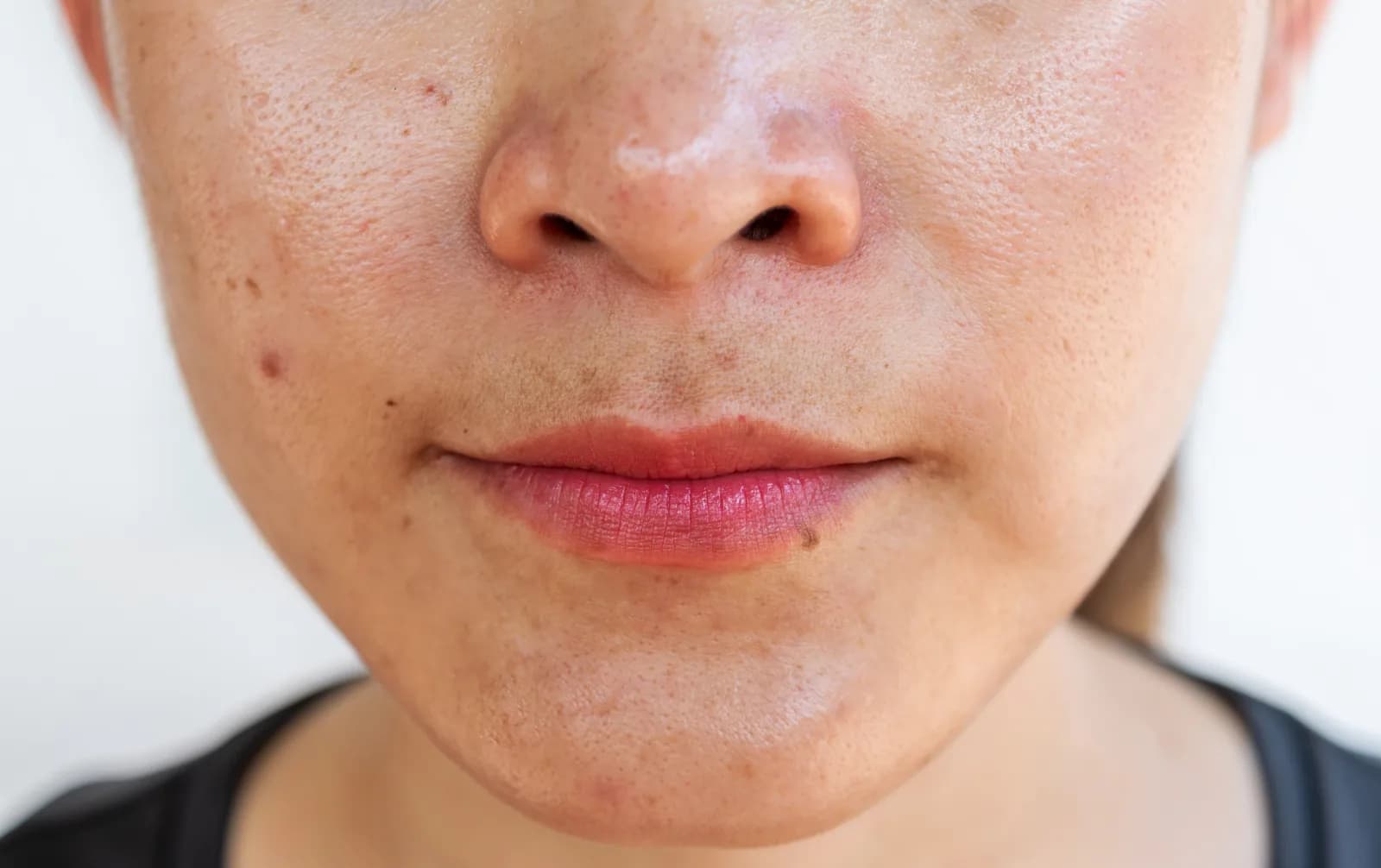
You catch your reflection in daylight and there are brownish patches across your cheeks and forehead that were not there before.
They are very common in pregnancy. The medical name is melasma, and many people call it the mask of pregnancy. It does not hurt or itch. It is a change in skin colour, and for most women it is temporary.
Why it happens
Hormones. The American Academy of Dermatology notes that the rise in oestrogen and progesterone during pregnancy is thought to trigger melasma. Your pigment cells simply work harder. The same thing can happen on the contraceptive pill.
Sunlight. UV light turns a hormonal tendency into visible patches. In Malaysia the sun is strong all year, which is why the patches tend to deepen after a weekend outdoors.
Your skin tone. Melasma is more common on medium and darker skin, including in women of Asian descent.
Irritation. Harsh scrubs, strong fragrance or stinging products inflame the skin, and inflamed skin in someone prone to melasma darkens further.
Where it turns up
Forehead, cheeks, nose, chin and upper lip. Usually on both sides of the face, in soft-edged patches rather than single spots.
A mark that is raised, changing shape, bleeding or itchy is not melasma. Show it to a doctor rather than reaching for a cream.
What helps
Sun protection, every morning
This matters most, and it makes everything else work.
The AAD advises a broad-spectrum sunscreen of SPF 30 or higher, reapplied through the day, with mineral filters such as zinc oxide and titanium dioxide, plus a wide-brimmed hat and shade. UV light passes through clouds and car windows, so "I was not really outside" does not protect you.
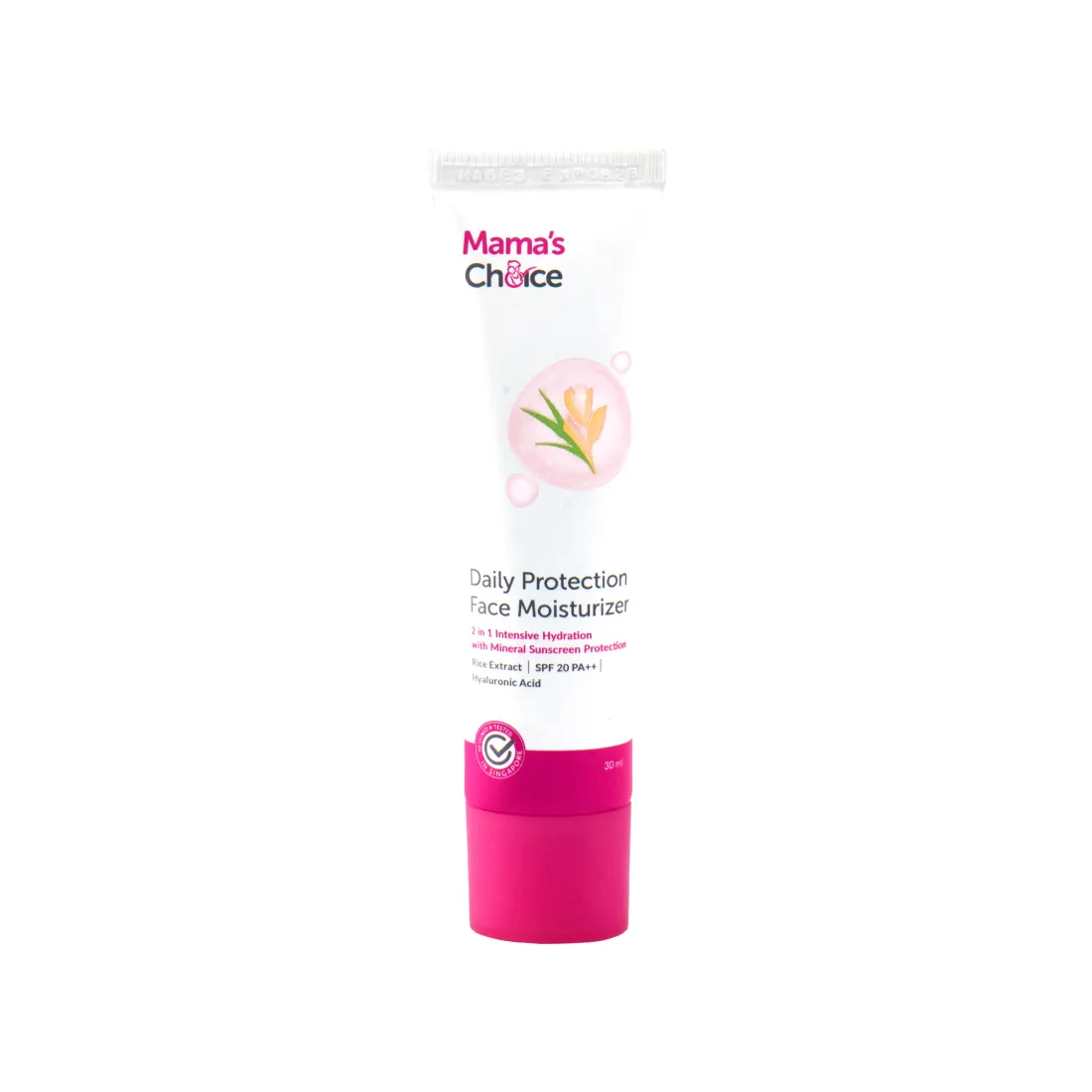
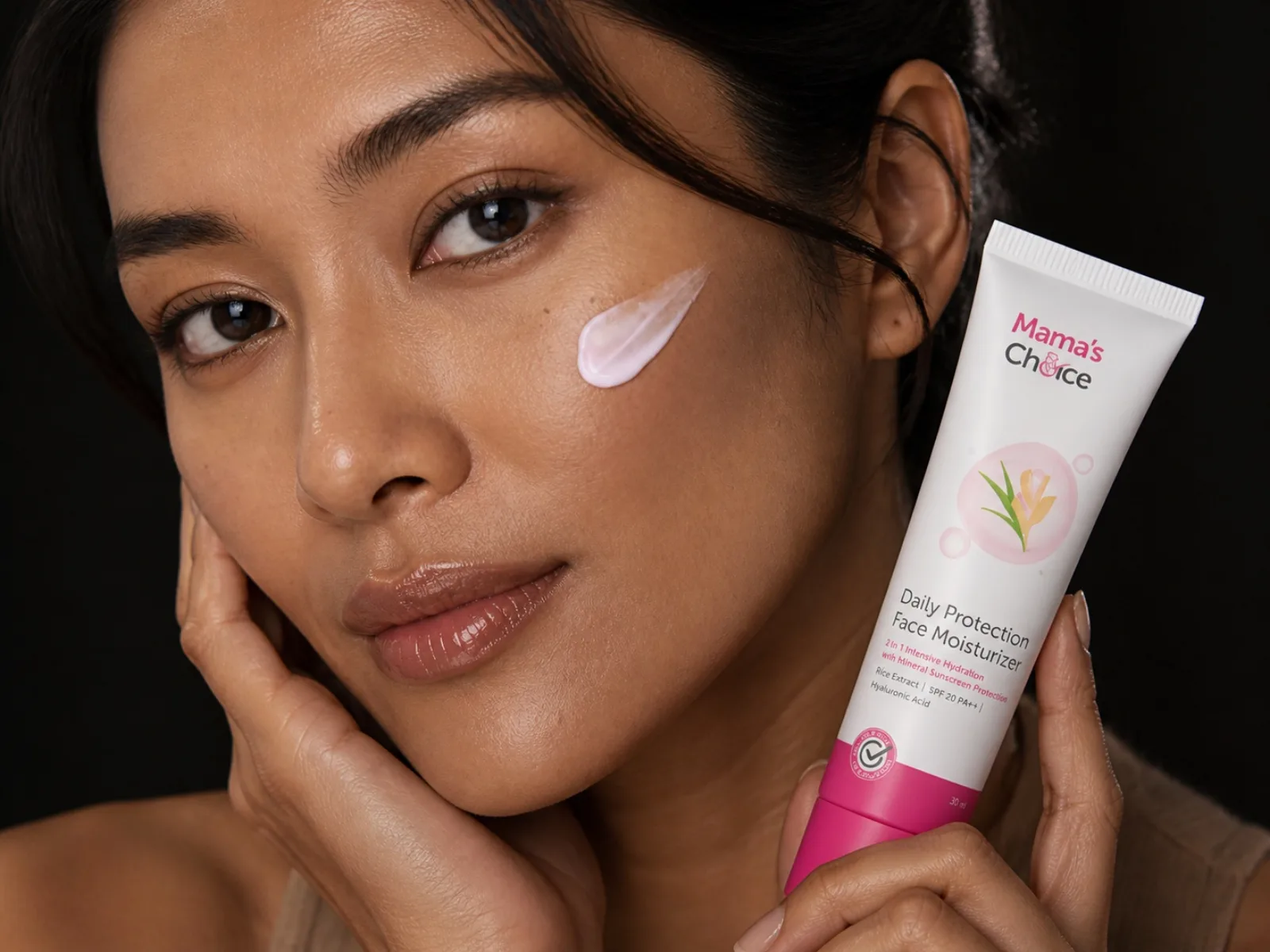
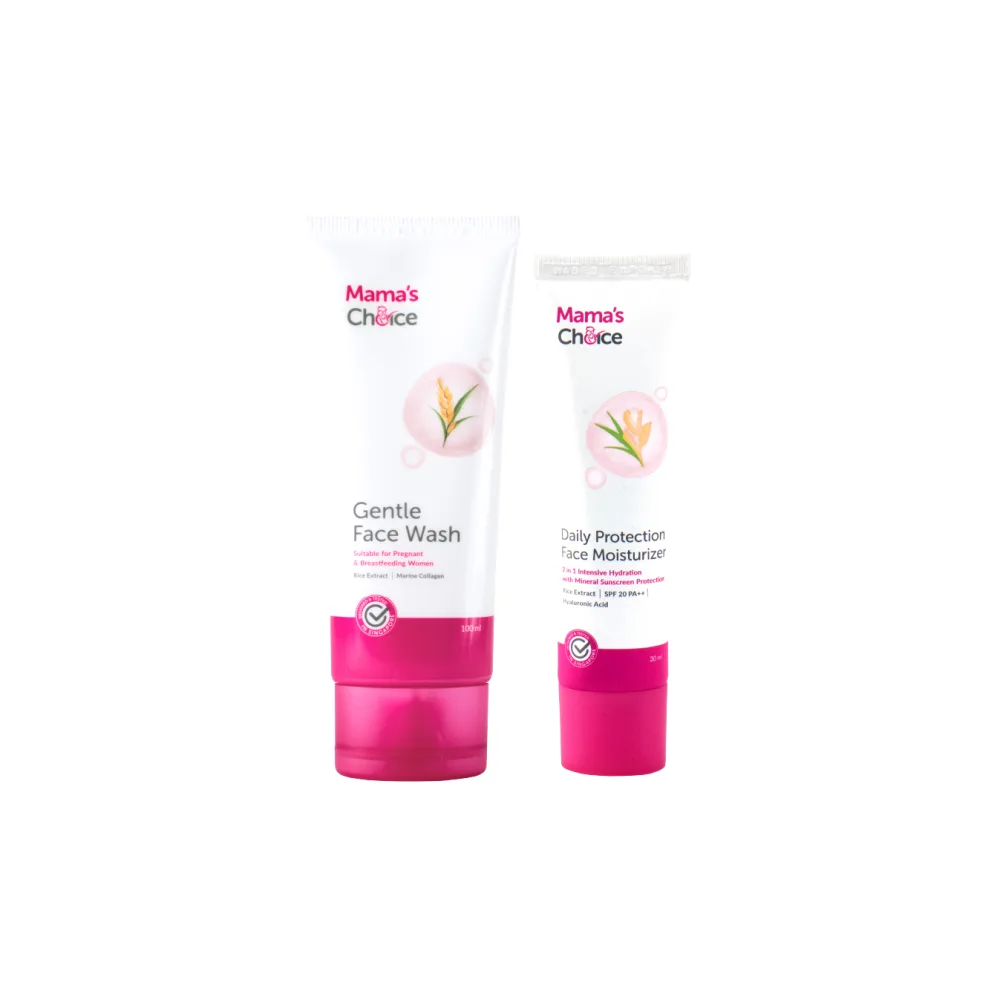
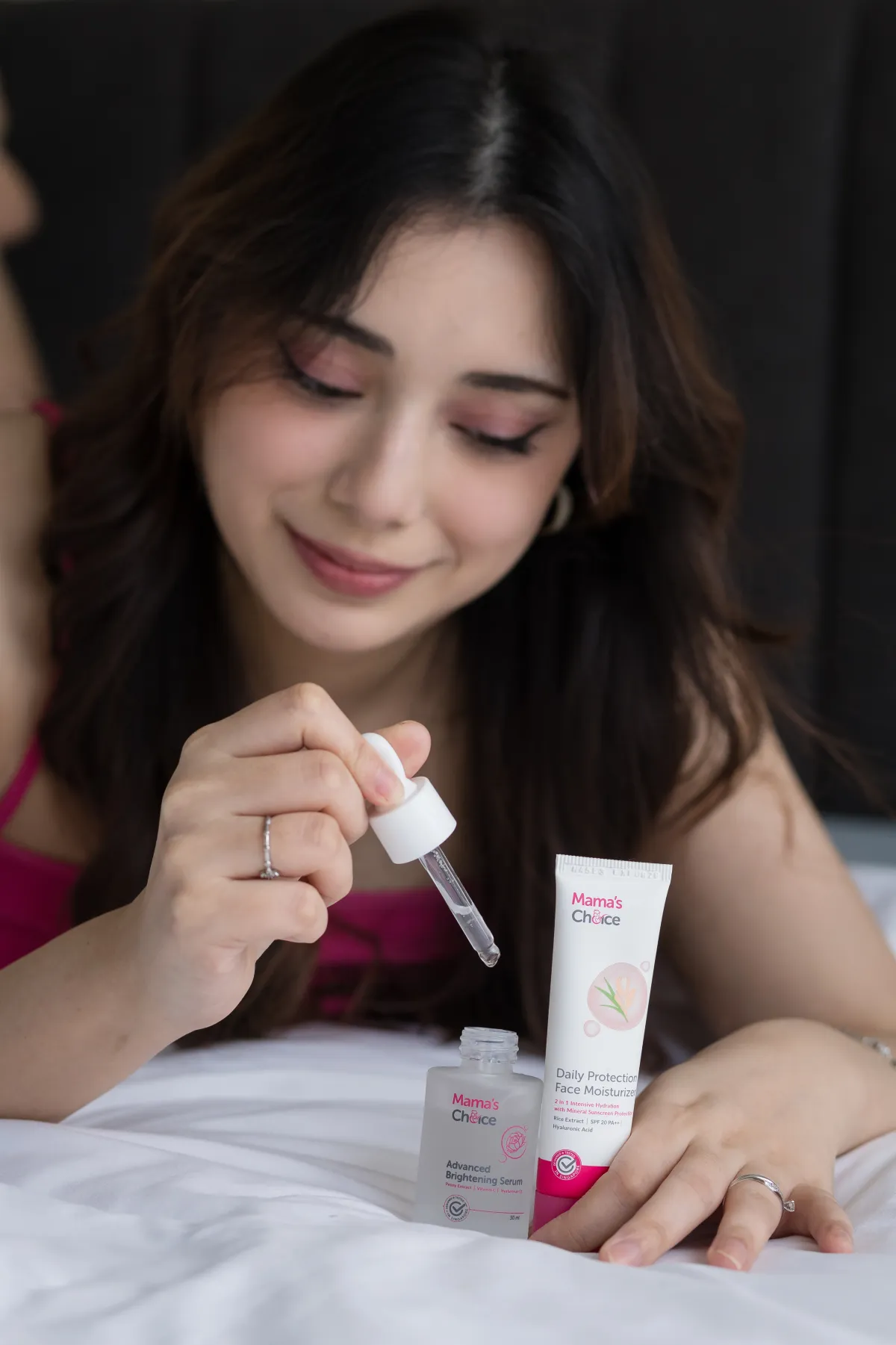
Mama's Choice Daily Protection Face Moisturizer SPF 20 PA++ makes the daily habit easy: one light step that moisturises and helps protect against UVA and UVB, with zinc oxide and titanium dioxide. It is medium protection, so on days in strong sun add a higher-SPF sunscreen on top, wear a hat, and reapply. Do not stay too long in the sun, even while using a sunscreen product.
Cleansing gently
Scrubbing does not lift pigment. It irritates, and irritation makes patches darker.
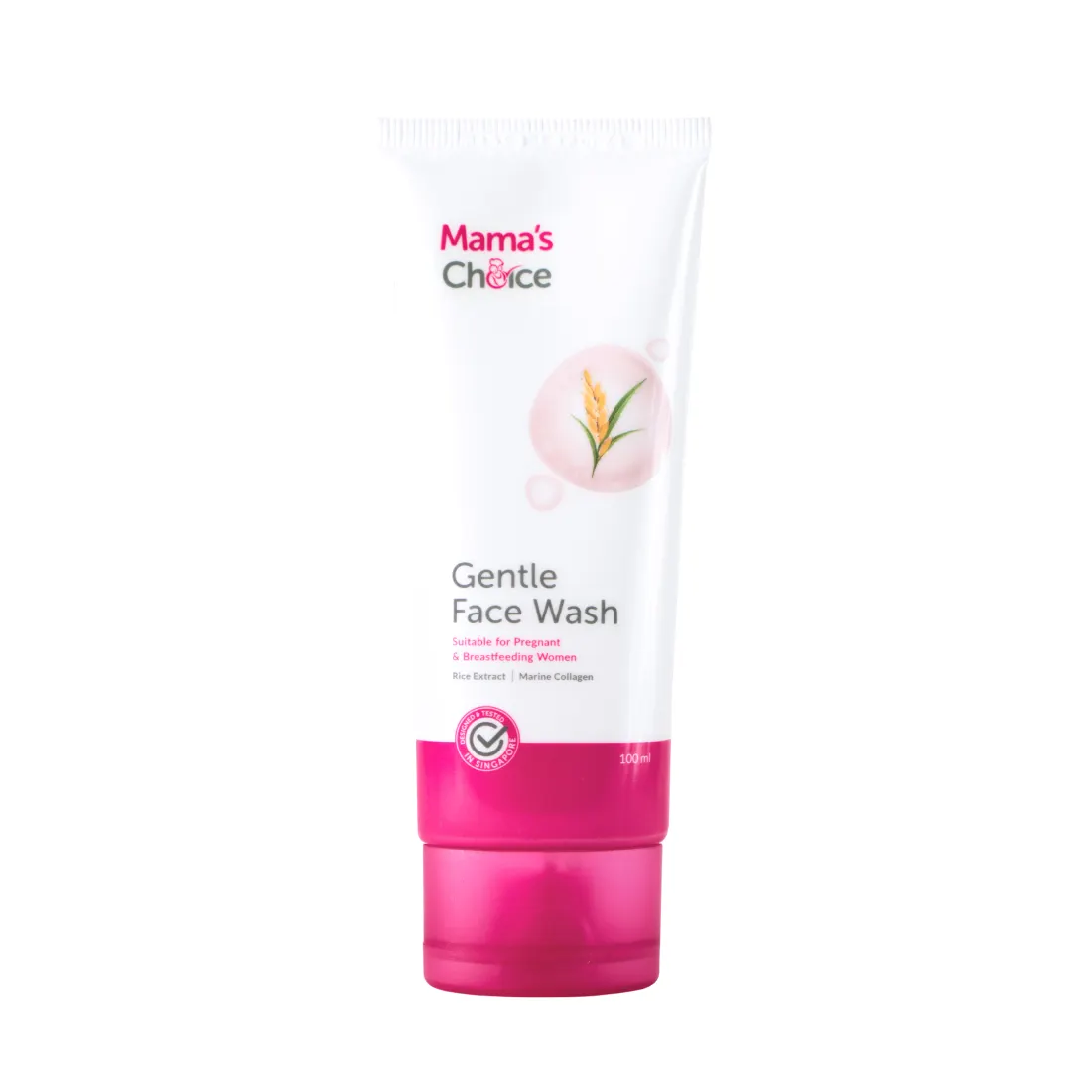
Use a mild cleanser and lukewarm water, with no grains. Mama's Choice Gentle Face Wash is a soft gel made without sulfates or fragrance, with rice extract and niacinamide, which helps skin look brighter and more even. In a Mama's Choice satisfaction survey of 128 mothers in Indonesia (2022), 83% said their skin looked brighter.
The two together make the 2 in 1 Face Care Package, formulated for pregnancy and breastfeeding and halal certified by BPJPH, Indonesia.
Gentle brightening ingredients
Niacinamide and vitamin C both help skin look more even and are generally considered fine in pregnancy. Introduce one product at a time and patch test first.
Sleep and food
Neither clears dark patches, but tired skin looks duller whatever the pigment is doing. Eat well, drink plenty of water in the heat, and rest when the pregnancy allows.
What to leave out while pregnant
Hydroquinone, the usual prescription cream for melasma, is generally left until after pregnancy because a fair amount is absorbed through the skin.
Retinoids, including tretinoin and retinol.
Brightening creams of unknown origin sold online. This is a real hazard. NPRA has cancelled the notification of creams sold in Malaysia that were found to contain mercury, hydroquinone and tretinoin, and it warns that mercury may interfere with the development of an unborn baby's brain. Buy from a brand you can trace, with a readable label.
What will not help
Lemon or lime juice. On skin that then meets sunlight it can cause a burn-like reaction that leaves darker marks than you started with.
Harsh scrubs and peels. Melasma sits deeper than a scrub reaches, and the irritation sets you back.
Stopping and starting. Pigment changes over months. A fortnight of effort followed by a break gets you nowhere.
Anything that stings. Stinging means irritation, and irritation is one of the drivers.
How long before you see a change
Slowly. Skin renews itself over weeks, and melasma sits partly in the deeper layer where that is slower still.
Give a routine 8 to 12 weeks before you judge it. Take a photo on day one in the same light, because a bathroom mirror from one day to the next tells you very little.
While you are pregnant, aim to stop the patches getting darker rather than to clear them. The hormones are still at work, which is why the real improvement usually comes after the birth.
Will it go?
Mostly. The AAD notes that when pregnancy is the trigger, melasma can fade after you deliver.
Some may linger, especially after a lot of strong sun. The prescription creams and clinic procedures that are put on hold in pregnancy become options again afterwards. If patches are still there a year on, a dermatologist can talk you through them.
When to see a doctor
- A patch that is raised, growing, changing colour or bleeding
- Darkening that appears suddenly alongside other symptoms
- Patches that are upsetting you, because there are options after the birth
- Any product that leaves your skin burning, peeling or unusually pale
Sources
Share this article
This article is for information only and is not a substitute for diagnosis or medical advice. Please talk to your doctor about your own situation.