15 early signs of pregnancy to take note of
From a missed period and nausea to tender breasts and tiredness: the early signs of pregnancy, what each one means, and when to see a doctor.
Many early pregnancy symptoms feel a lot like the days before a period, which is why they are easy to miss. Not everyone gets all of them, and some women notice almost nothing at first. A home pregnancy test is the reliable way to know. Most are accurate from the first day of a missed period.
The early signs
1. A missed period
The most familiar sign. If your cycle is regular and your period is late, take a test. If your cycle is irregular, test about three weeks after unprotected sex. Note the first day of your last period, because your doctor will use it to work out your due date.
2. Nausea and vomiting
Nausea affects most pregnant women, often from around 6 weeks, and many vomit too. It usually eases by 16 to 20 weeks. Small, frequent meals, plain snacks and ginger help many women. Vomiting so often that you cannot keep fluids down is called hyperemesis gravidarum and needs a doctor. Read our guide to the causes of nausea in pregnancy and our nausea remedies.
3. Tiredness
Rising progesterone and the work of building a placenta can leave you exhausted in the first trimester. Rest when you can, go to bed earlier, and keep caffeine to under 200 mg a day, roughly two cups of instant coffee.
4. Loss of appetite
Some women go off food altogether, often alongside nausea and a sharper sense of smell. Eat what you can manage, little and often.
5. Cravings and food aversions
Suddenly wanting sour mango, or being unable to face the smell of coffee, is common. Nobody fully knows why. Enjoy your cravings as long as the food is safe in pregnancy, and see our list of foods to avoid during pregnancy.
6. Tender, swollen breasts
Breasts often feel sore, heavy or tingly from a week or two after conception, and the areolas may darken. A soft, supportive bra helps.
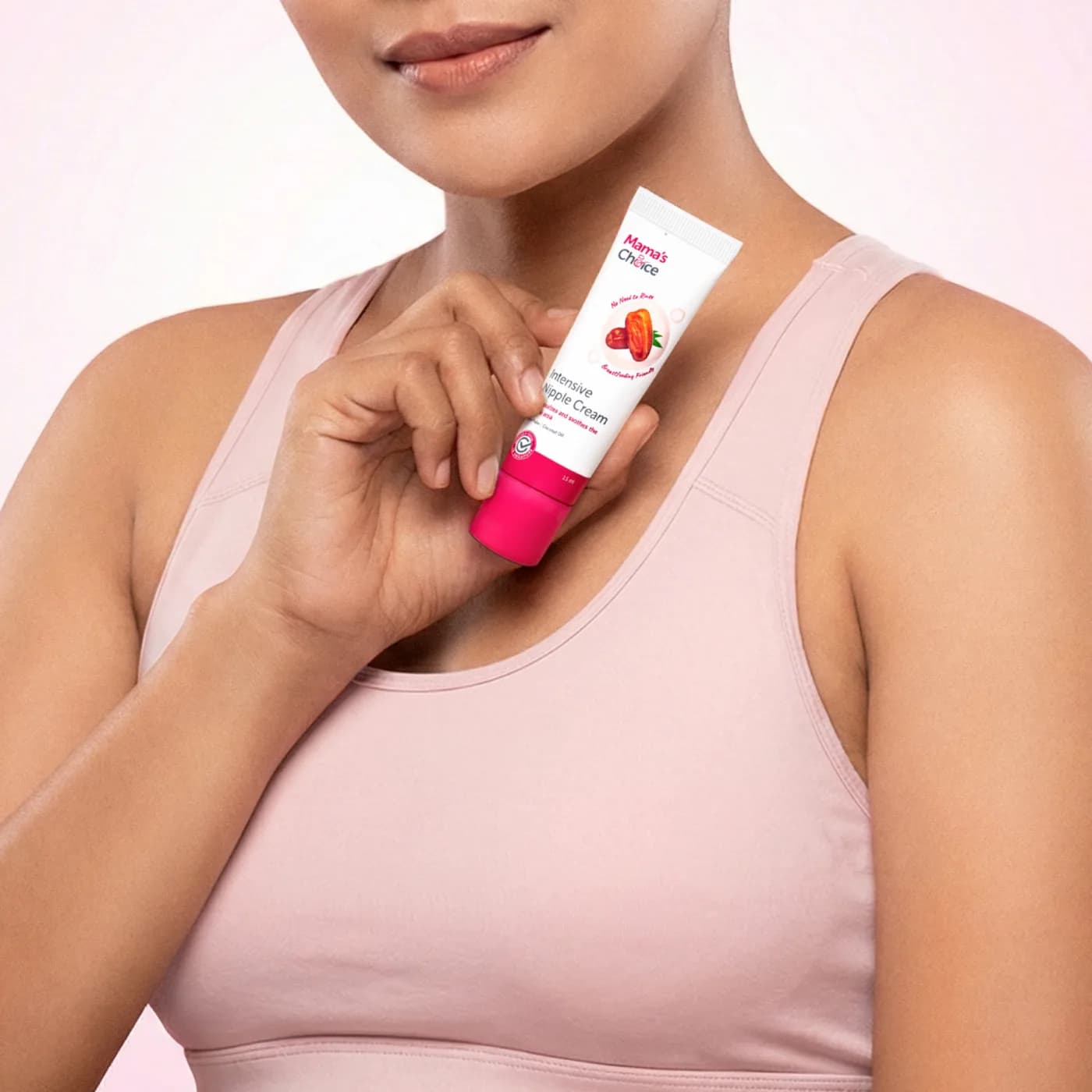
As your pregnancy goes on, the skin on your nipples and breasts may feel dry as it stretches. Our Intensive Nipple Cream moisturises and softens dry nipple skin, in late pregnancy and later while you breastfeed. It has five ingredients, lanolin, shea butter, coconut oil, vitamin E and date fruit extract, with no fragrance or alcohol. It is halal certified by BPJPH, Indonesia.
7. Constipation
Progesterone slows digestion. Eat plenty of fibre from fruit, vegetables and wholegrains, drink water through the day, and keep moving. Iron tablets can make it worse, so mention it to your clinic.
8. Light spotting
A little pink or brown spotting around the time your period was due can happen as the embryo implants in the womb lining. It is usually lighter and shorter than a period.
Any bleeding in early pregnancy should be checked by a doctor. Go to hospital straight away if bleeding is heavy, or if you have one-sided tummy pain, shoulder-tip pain, dizziness or fainting. These can be signs of an ectopic pregnancy or miscarriage.
9. Mild cramping
Mild, period-like cramps are common early on as the womb grows. Rest, a warm (not hot) shower or a warm pack can help. Severe or one-sided pain needs a doctor.
10. Feeling warm
Your basal body temperature stays slightly higher in early pregnancy. A true fever of 38°C or above is different and needs a doctor.
11. Mood swings
Hormone changes, tiredness and the news itself can make you tearful or irritable. Lean on the people around you and look after your sleep. If low mood lasts more than two weeks, talk to your doctor. Our guide to improving your mood in pregnancy has more ideas.
12. More vaginal discharge
A thin, milky white discharge with a mild smell is normal and increases in pregnancy. See a doctor if it is green or yellow, smells strong, or comes with itching or soreness.
13. Dizziness
Pregnancy lowers your blood pressure a little, and low blood sugar adds to it. Stand up slowly, eat small regular meals and drink enough. If you faint, or dizziness comes with pain or bleeding, see a doctor.
14. Needing to pass urine more often
Your kidneys handle more fluid, and the growing womb presses on your bladder. Keep drinking water anyway. Burning or pain when you pass urine may be an infection and needs checking.
15. Extra saliva
Some women make much more saliva in early pregnancy, often alongside nausea. Sipping water, chewing sugar-free gum and brushing more often can help.
If a strong toothpaste makes you gag, a gentler one can make brushing easier. Our Non-Fluoride Toothpaste is formulated for pregnancy and breastfeeding, with a gentle mint and no SLS. In a Mama's Choice satisfaction survey of 62 mothers (2022), 93% felt comfortable using it with no nausea.
Your test is positive. What next?
- Start folic acid if you have not already. 400 micrograms a day is the usual dose for the first 12 weeks, and your doctor may prescribe more.
- Book your first antenatal visit at a klinik kesihatan or with an obstetrician. At the klinik kesihatan you will receive a maternal health record book to bring to every visit.
- Stop smoking and alcohol, and check any medicines you take with a doctor or pharmacist.
Every pregnancy is different, so do not worry if your symptoms do not match a list. Your antenatal team is there for your questions, however small.
Sources
Share this article
This article is for information only and is not a substitute for diagnosis or medical advice. Please talk to your doctor about your own situation.