How long stretch marks take to fade
Stretch marks fade rather than disappear. A realistic timeline, which ingredients and clinic options do what, and the kitchen ingredient to keep off your skin.

Six weeks in, you check every morning, and the marks look exactly the same.
Nobody tells you the timeline, so it helps to know what to expect and when.
The short answer
Stretch marks are a kind of scar, so they rarely vanish completely. What changes is how visible they are.
Most fade over 6 to 12 months, sometimes longer, from red or purple to a silvery line that sits much closer to your normal skin colour. That fading happens on its own. The NHS says the same: stretch marks usually fade over time, though they may not disappear completely.
Daily care can help them look softer and less noticeable along the way. Anything that promises to erase them is overselling.
Which stage you are at
Red, pink or purple means recent. There is still a blood supply under the mark, and this is the stage that responds best to care.
Silvery white means the mark has matured. It is harder to change, though it can still be made to look softer.
This is why starting early pays off, and why mothers who begin late can feel let down.
What to expect month by month
Weeks 1 to 4. Your skin feels less dry, tight and itchy. The marks look much the same. That comfort is a real result, and it is also the point where most people give up.
Months 2 to 3. Red marks usually start to lighten. This happens even without any product, which is worth knowing when you judge one.
Months 6 to 12. Most marks have faded towards silver. Keeping up your routine through this stretch is what makes the difference to how soft they end up looking.
After a year. Change is slower. Marks can still look smoother with care, and clinic options become the bigger lever.
What consistent care looks like
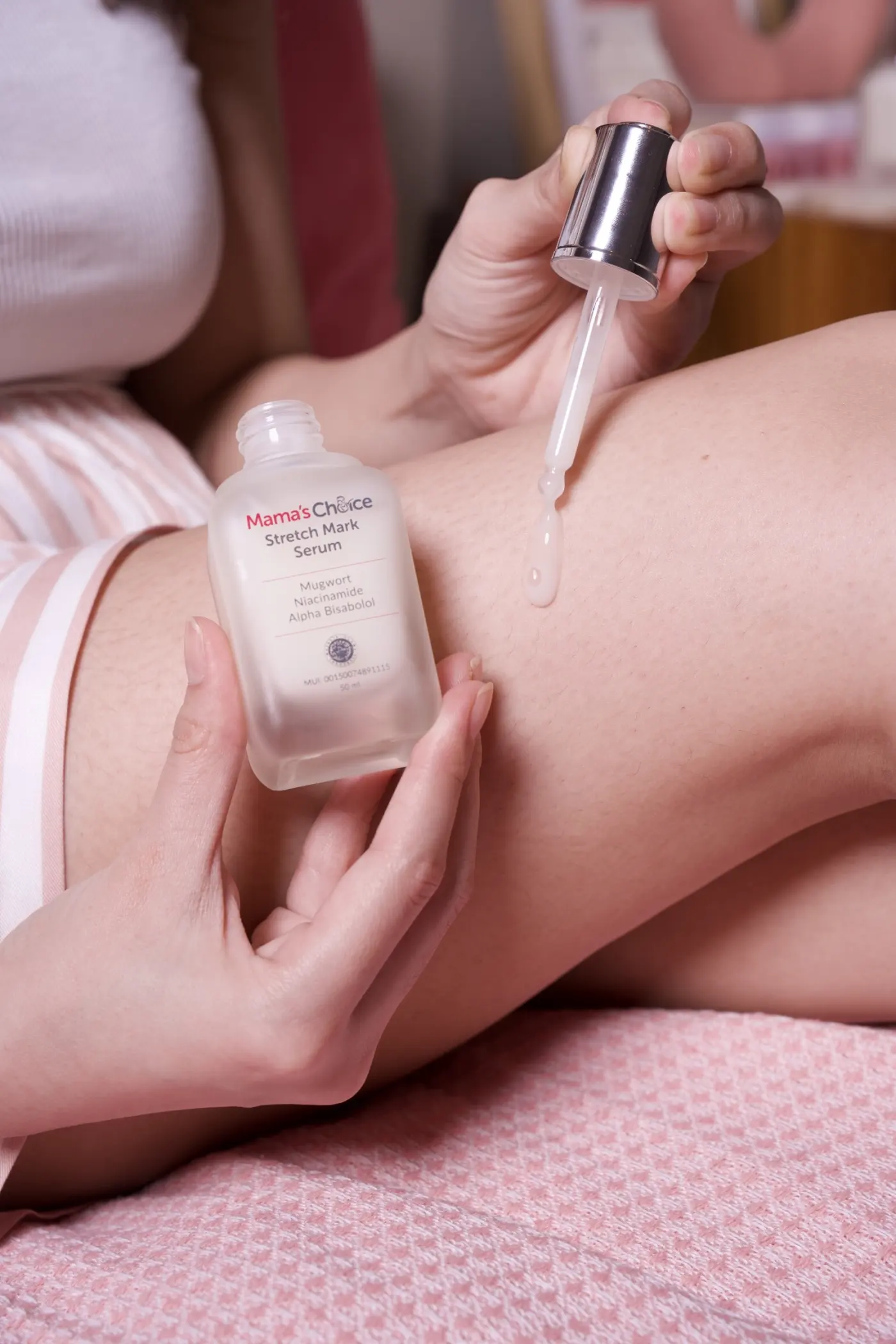
Twice a day, ideally straight after your shower while your skin is still slightly damp, massaged in rather than smeared on. In Malaysian humidity a light texture makes this much easier to keep up.
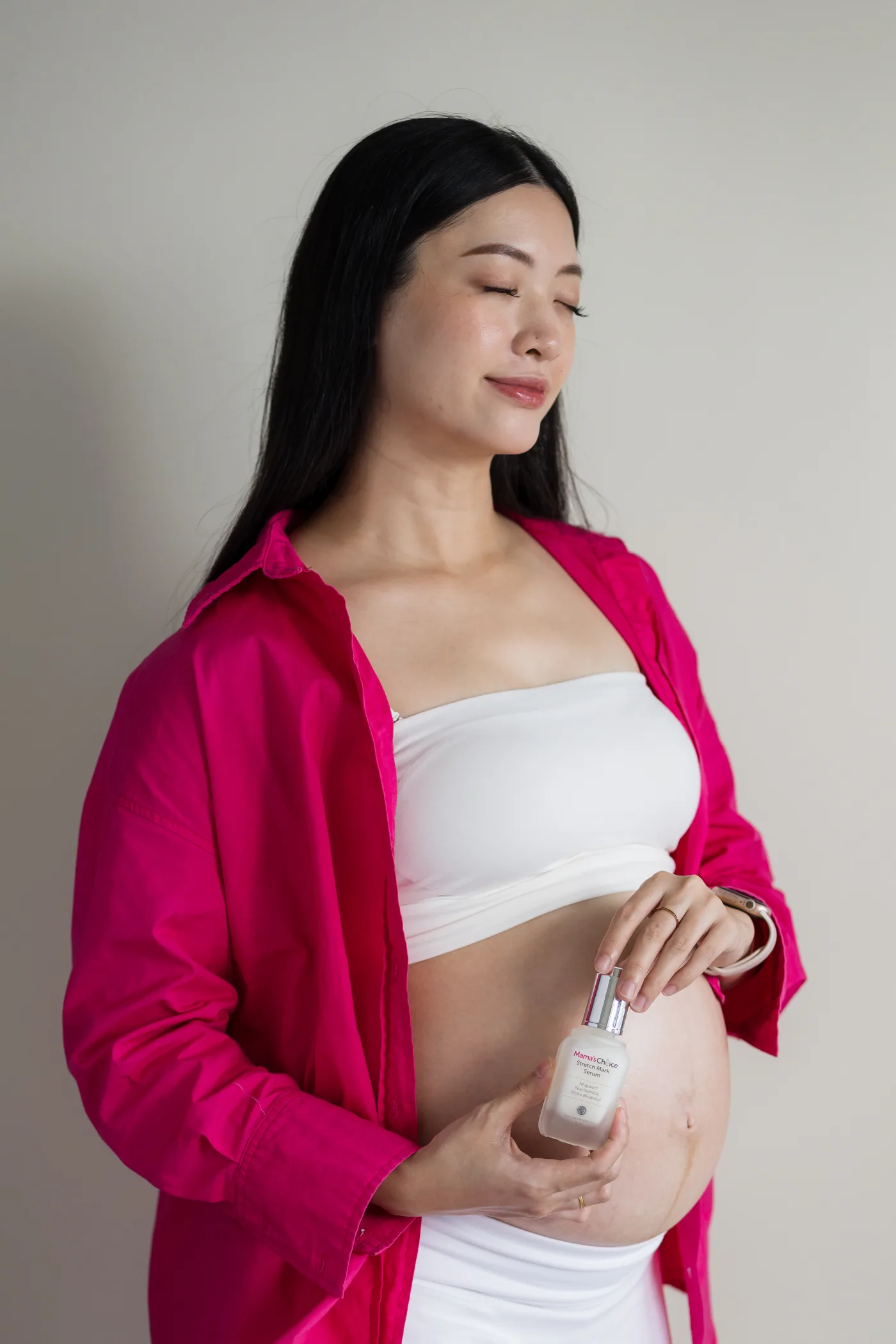
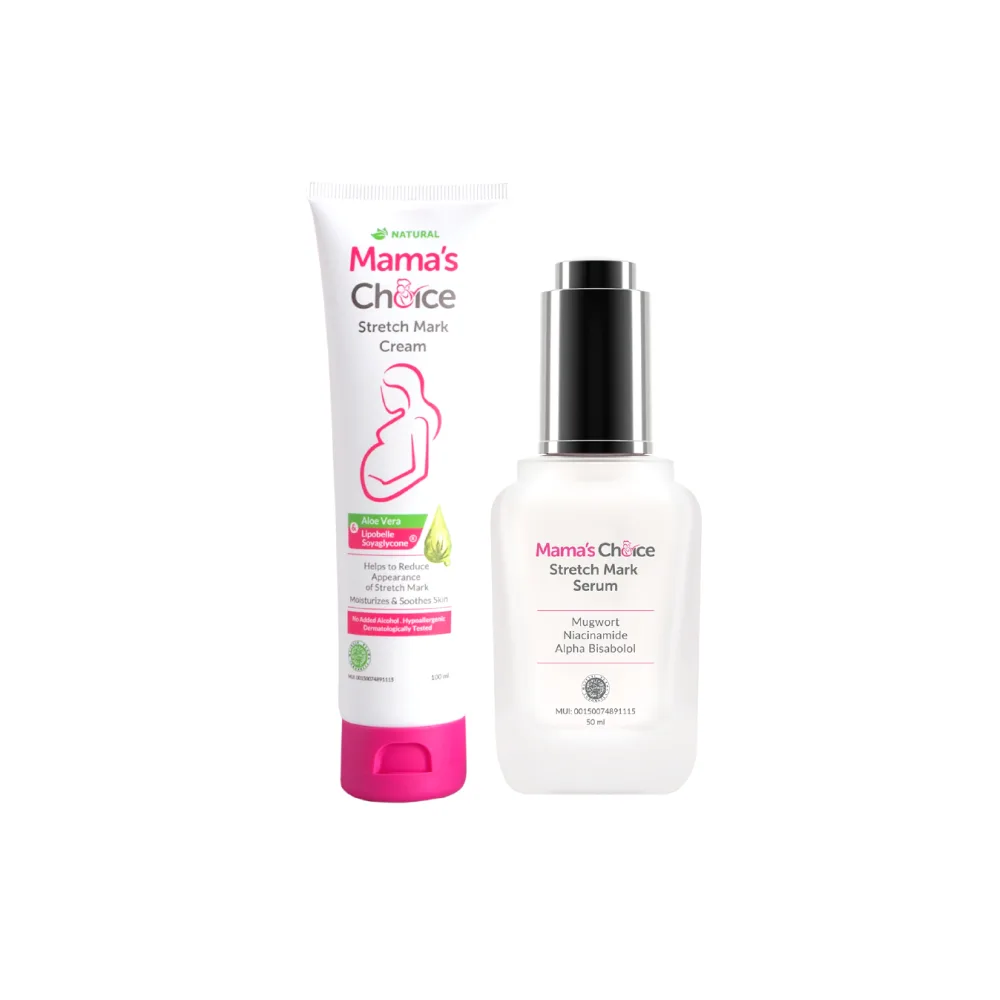
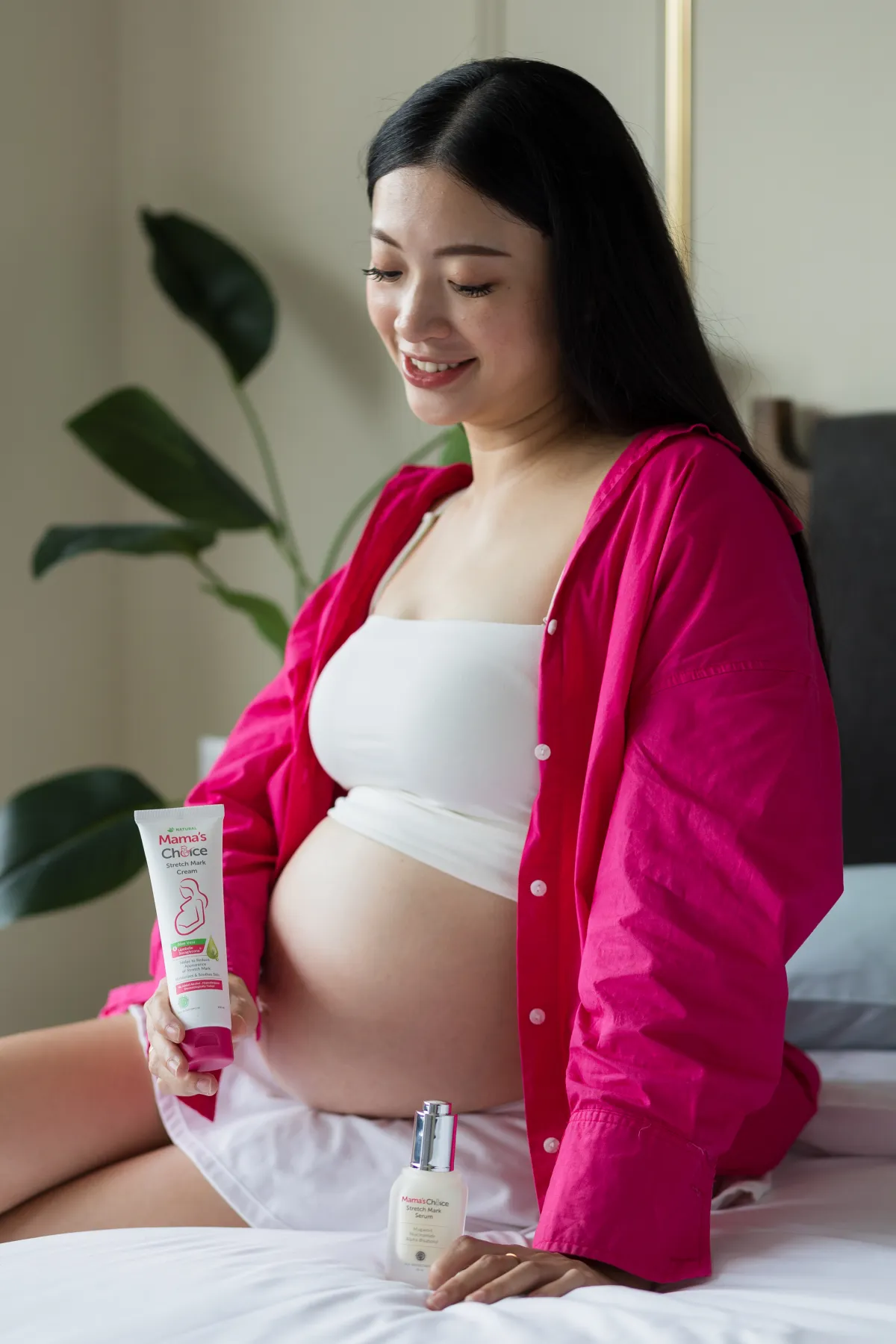
Mama's Choice Stretch Mark Cream is the daily layer, with Lipobelle Soyaglycone, aloe vera and shea butter. It deeply moisturises and helps reduce the look of existing stretch marks. In a Mama's Choice satisfaction survey of 78 mothers in Indonesia (2022), 91% felt their stretch marks looked less visible while they used it.
The Stretch Mark Serum is lighter and made for marks that are already there, with niacinamide, Japanese mugwort, bisabolol and sodium hyaluronate. Apply it first, then the cream, or buy both as the Stretch Mark Cream and Serum set.
Both are formulated for pregnancy and breastfeeding. Results differ from person to person.
Ingredients worth knowing
Hyaluronic acid. The NHS notes that hyaluronic acid may help when used on new stretch marks. That means how they look, not removal.
Niacinamide. A form of vitamin B3 that helps skin tone look more even and brighter, which helps when a mark is darker or redder than the skin around it.
Bisabolol. Found naturally in chamomile, it helps skin feel calm and comfortable.
Tretinoin. A prescription vitamin A cream that may help new marks look less noticeable. It should not be used during pregnancy. Ask your doctor about it after you finish breastfeeding.
The one to skip
Do not put neat lemon juice or lime juice on your skin. It gets passed around as a natural brightener, but it does more harm than good.
Citrus juice contains natural chemicals called psoralens. On skin that then meets sunlight, they can cause a burn-like reaction called phytophotodermatitis, which leaves darker patches that last for months. In Malaysian sun, that risk is real even on a short walk to the car.
Kunyit (turmeric) is another popular home recipe. It can stain skin and clothes, and it may irritate sensitive skin. Patch test it first, and stop if your skin stings or reddens.
What a clinic can do afterwards
These work best on marks that are still red, all need several sessions, and all are generally postponed until after breastfeeding.
Laser. Focused light encourages the skin to rebuild and softens how marks look.
Microneedling. Tiny punctures prompt the skin to repair itself, which can improve the texture of marked skin.
Chemical peels. Acids such as glycolic acid remove the top layer of skin.
How long any of these takes depends on your skin and how many sessions you have. They belong with a qualified dermatologist, since they do not suit every skin type and they carry risks of their own.
When to see a doctor
Stretch marks themselves rarely need medical attention. See your doctor if they appear very fast with no weight change, if your skin is unusually thin and bruises easily, or if a mark is painful, warm, or ringed with spreading redness.
Sources
Share this article
This article is for information only and is not a substitute for diagnosis or medical advice. Please talk to your doctor about your own situation.