What baby lotion does for your baby's skin
What a baby lotion or cream really does, what avocado, olive and niacinamide bring, how to read the label, and how to use one in Malaysian weather.
Every baby lotion promises something. What a good one actually does is simpler, and still well worth having.
Your baby's skin is thinner than yours, and its outer barrier is still maturing. It loses water faster, reacts more readily and takes longer to settle once irritated. A moisturiser works on the first of those: it slows water loss and keeps the skin soft and comfortable while the barrier does its own job.
What the ingredients bring
Take our own body cream as an example, since we can show you exactly what is in it.
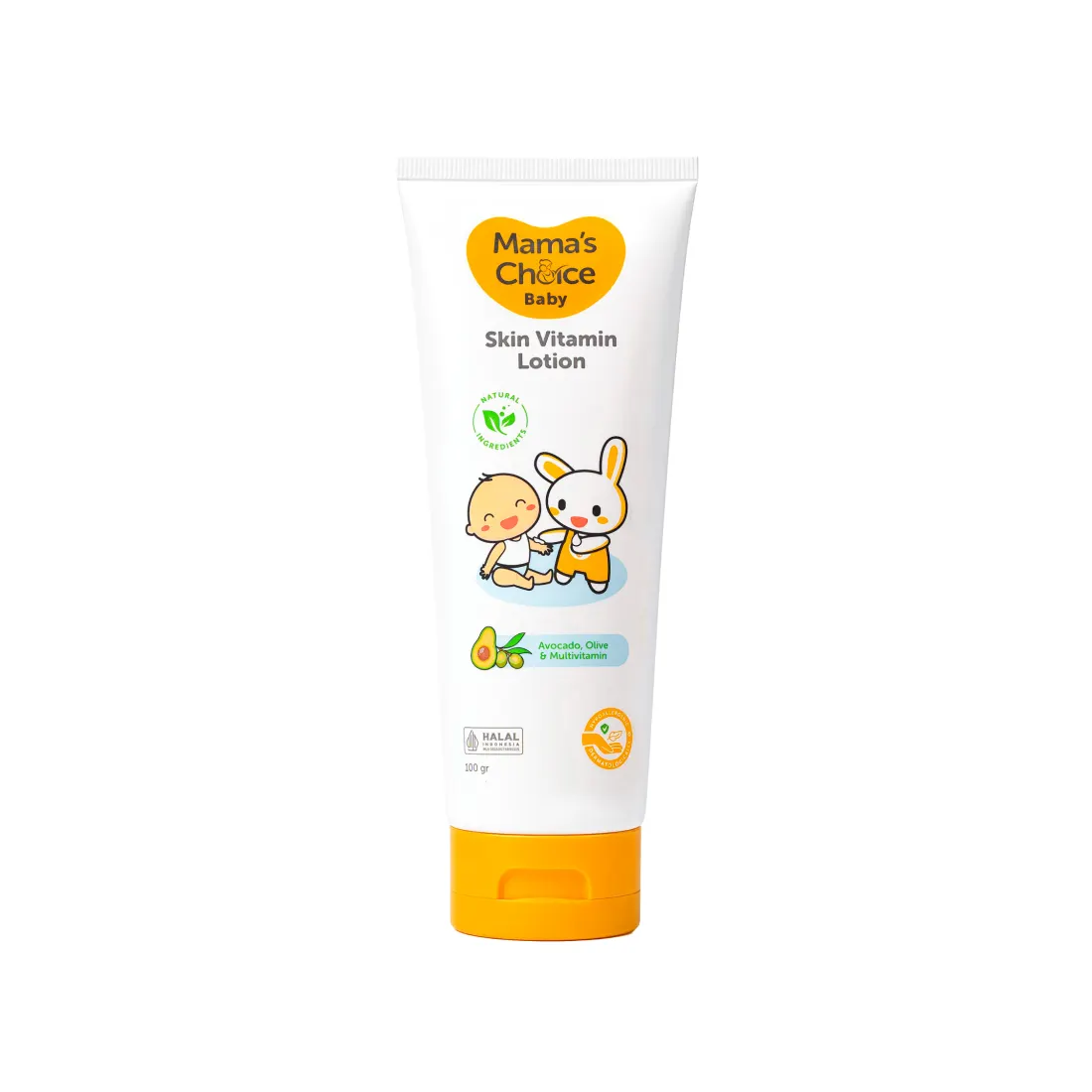
Avocado oil moisturises and helps protect skin from dryness.
Olive oil softens and keeps skin supple.
Shea butter is a richer butter that keeps skin soft.
Niacinamide, a form of vitamin B3, is one of the better-studied skin ingredients for helping skin hold on to water.
Vitamin E is there alongside them in the formula.
None of these is dramatic on its own. Together, in a cream applied every day, they keep skin moisturised and comfortable, and comfortable skin is most of what you are after.
Lotion, cream or oil?
They are not interchangeable. The difference is how much water they hold.
| Water | Feel | Best for | |
|---|---|---|---|
| Lotion | High | Light, absorbs fast | Everyday use on skin that is fine |
| Cream | Medium | Richer | Dry patches, air-conditioned rooms |
| Oil | None | Sits on top | Massage, or sealing in a cream |
In Malaysia, a light lotion or cream suits most babies through the heat of the day. A richer cream earns its place at night, when the aircon is running and skin dries out.
Oil alone deserves a warning. It seals, but it adds no water, so on dry skin with nothing underneath it does less than you expect.
Our Baby Body Cream
Mama's Choice Baby Body Cream is a light cream that moisturises and softens your baby's skin and helps protect it from dryness. It is made with avocado, olive and sweet almond oils, shea butter, niacinamide and vitamin E, with a light scent from sweet orange peel oil. It absorbs quickly and does not feel greasy, so you can dress your baby straight away.
In a Mama's Choice use test with 29 mothers in Indonesia (2022), all 29 agreed it helps moisturise their baby's skin, and 97% said it felt softer. It is dermatologically tested, made without parabens or drying alcohol, suitable from birth, and halal certified by BPJPH, Indonesia.
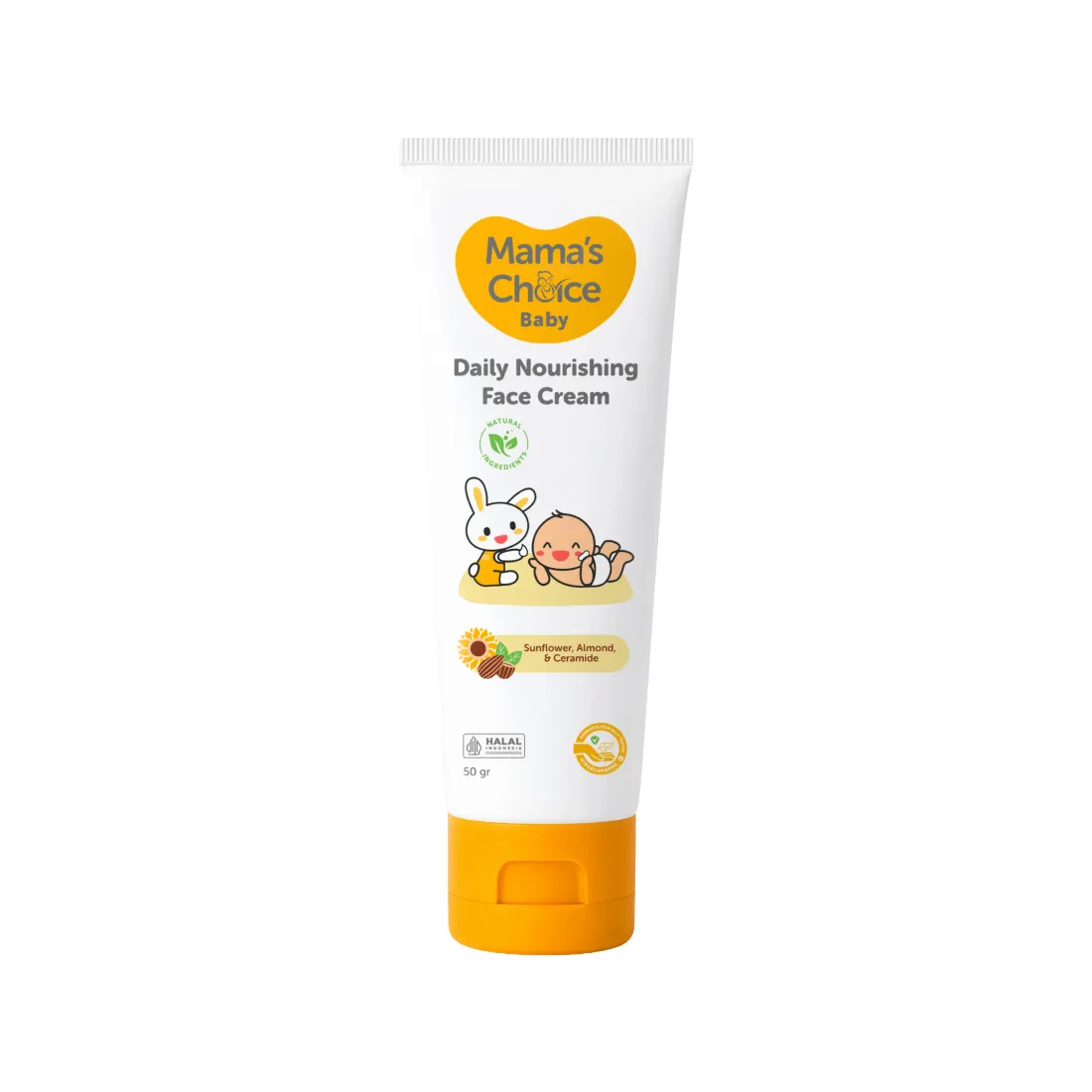
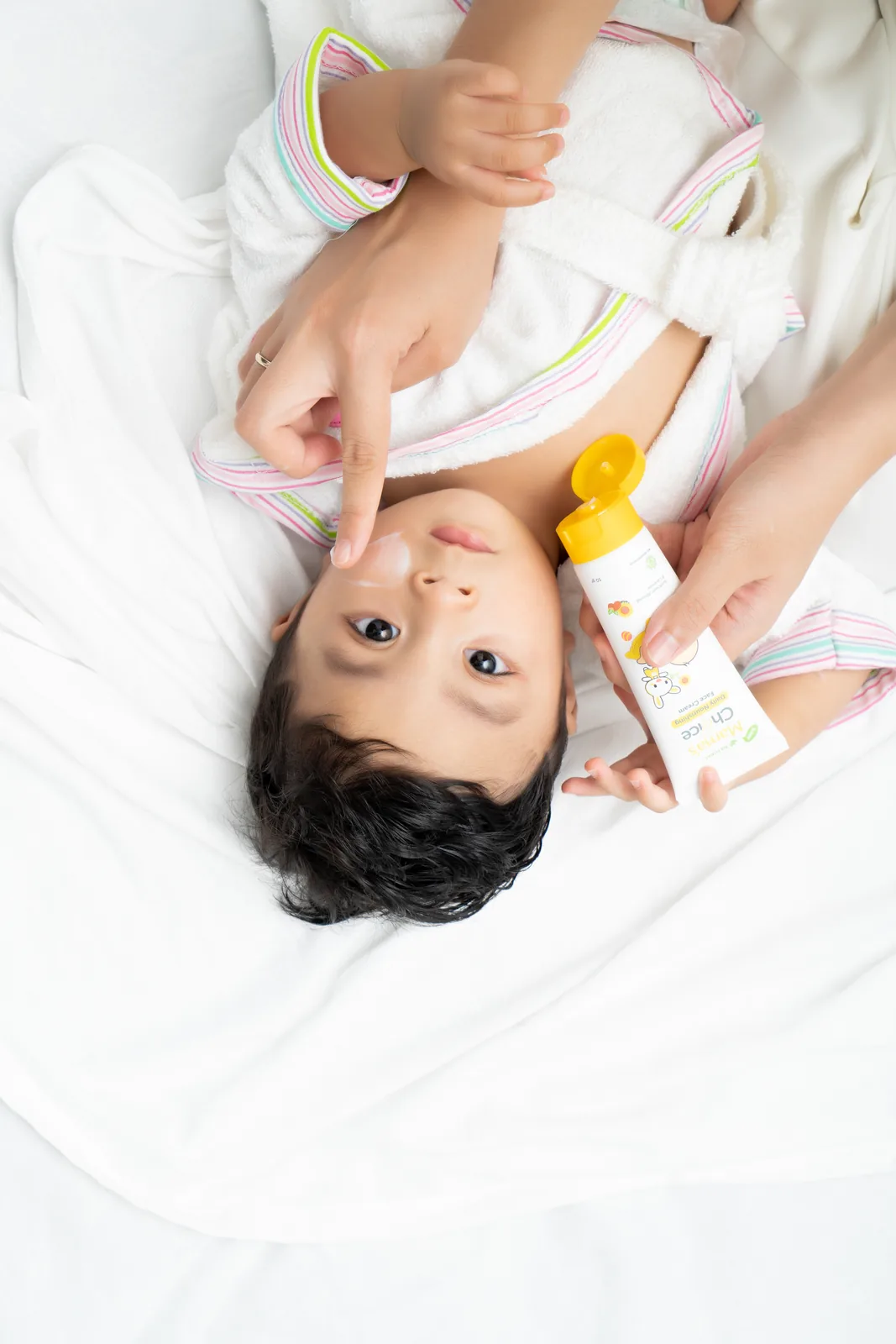
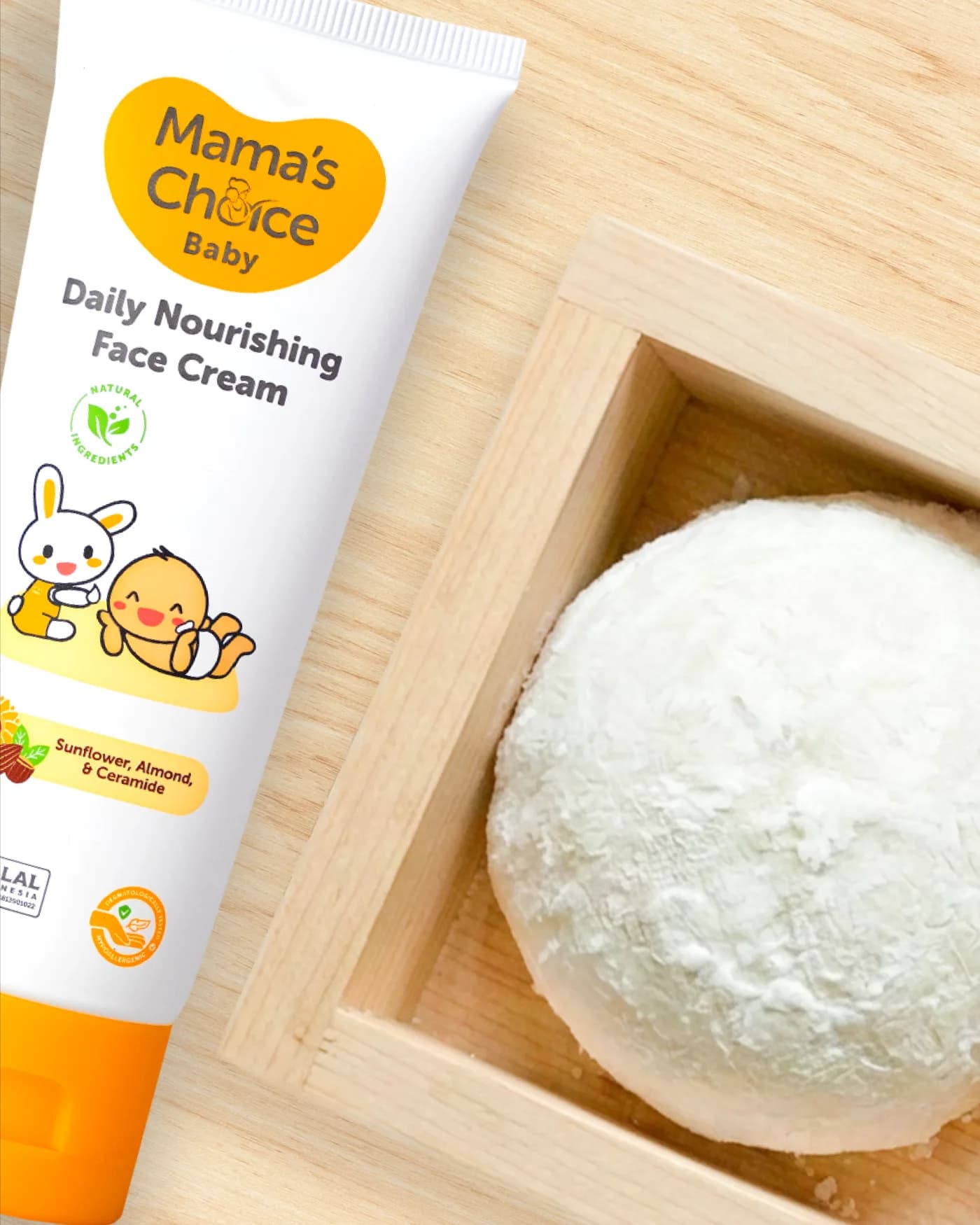
For the face, we make a separate Daily Nourishing Face Cream, with ceramide and centella asiatica to help maintain the skin's moisture barrier.
Reading the label
- "Dermatologically tested" means the formula was tested on skin. A good product page tells you what kind of test it was.
- What is left out. Parabens, drying alcohol (alcohol denat.) and mineral oil are the usual items on that list.
- Fragrance. Scent is the commonest trigger of reactions in babies. If a product is scented, patch test it.
- A short ingredient list is easier to judge.
A percentage of mothers who "noticed a difference" usually comes from a satisfaction survey or use test. That records what parents felt, which is useful, and it is worth reading who took part and when.
How to use it
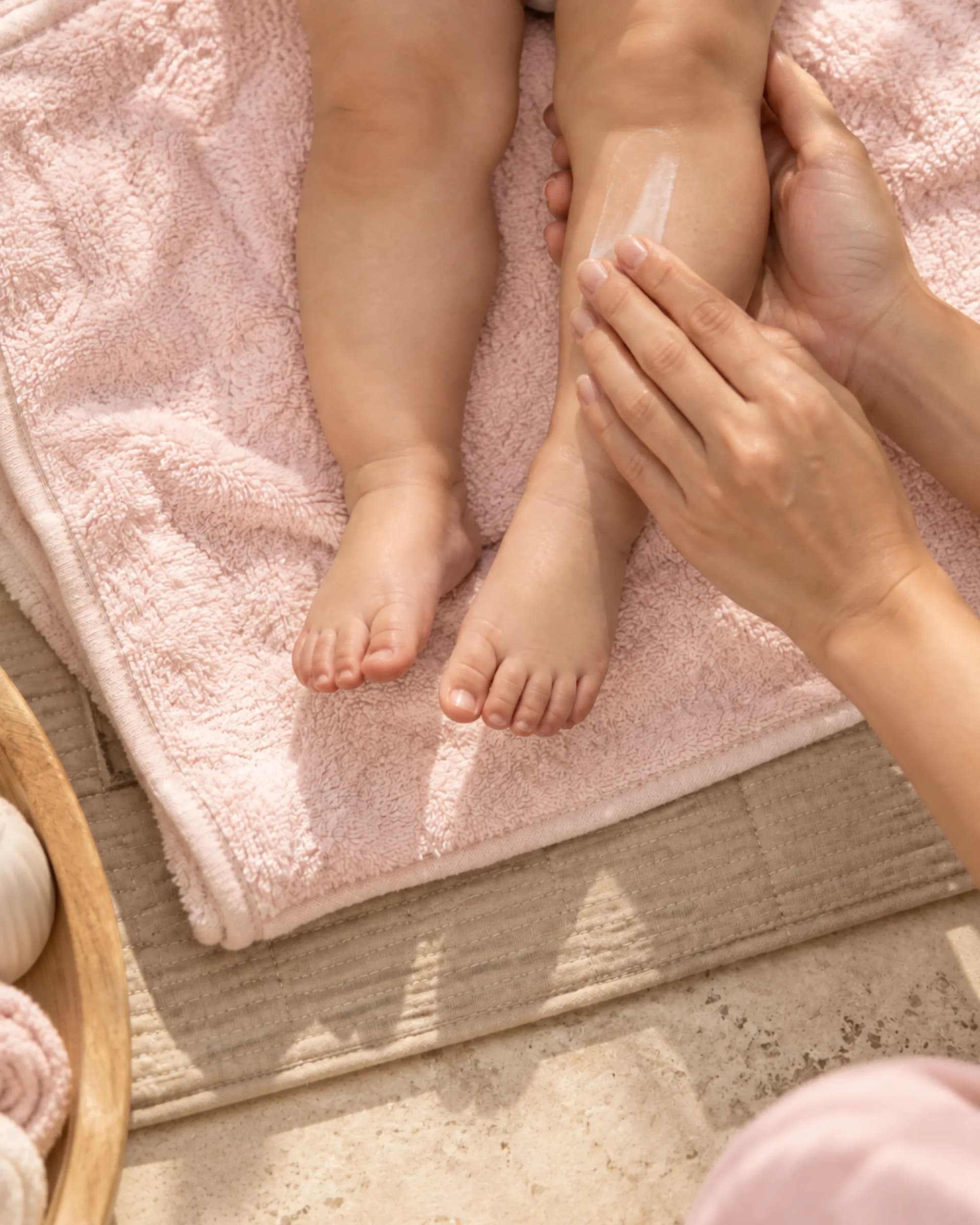
After the bath, on skin that has been patted dry but is still slightly damp. Moisturiser on damp skin traps the water already there, which is most of how any moisturiser works.
Twice a day over the arms, body and legs, and again after swimming, after time in the sun or after a long spell in an air-conditioned room.
How long before you can tell?
Simple dryness responds fast. Skin that has been dry for weeks usually feels different within a few days of daily moisturising and looks different within a fortnight.
If nothing has changed after two weeks of regular use, the problem is probably more than simple dryness. Adding a second product on top is the wrong next move. See a doctor.
Bite marks and other dark spots
Babies cannot swat a mosquito away, so bites are common here, and the dark marks they leave are what parents ask about most. Those marks are the skin's response to inflammation, and they fade by themselves over weeks to months. Keeping nails short so scratching does less damage, and keeping the skin out of strong sun, both help. Protecting your baby from bites in the first place matters more, with nets, screens and long sleeves at dusk.
When a moisturiser is not enough
- Itchy patches that come and go, which sounds more like eczema than dryness
- Skin that weeps, cracks or crusts yellow
- A spreading rash, or a rash with a fever
- Bites that swell widely, feel hot or ooze
Moisturiser is the right answer to dry skin and the wrong answer to an infection. Your klinik kesihatan or GP can tell which is which.
What matters more than the product
Short warm baths instead of long hot ones. A mild, fragrance-free detergent for her clothes. The aircon set a little warmer at night. Nails kept short.
A cream sits on top of all of that. For more on dry patches, read our guide to dry skin in babies.
Sources
Share this article
This article is for information only and is not a substitute for diagnosis or medical advice. Please talk to your doctor about your own situation.