Body odour during pregnancy and what helps
Hormones and heavier sweating change how you smell in pregnancy. Why it happens, what helps in Malaysian heat, and which advice overstates its case.

You have showered, you have changed into something fresh, and by lunchtime you can smell yourself again.
It says nothing about your health or your baby's. It can knock your confidence, though, and that is reason enough to sort it out.
Why is it happening?
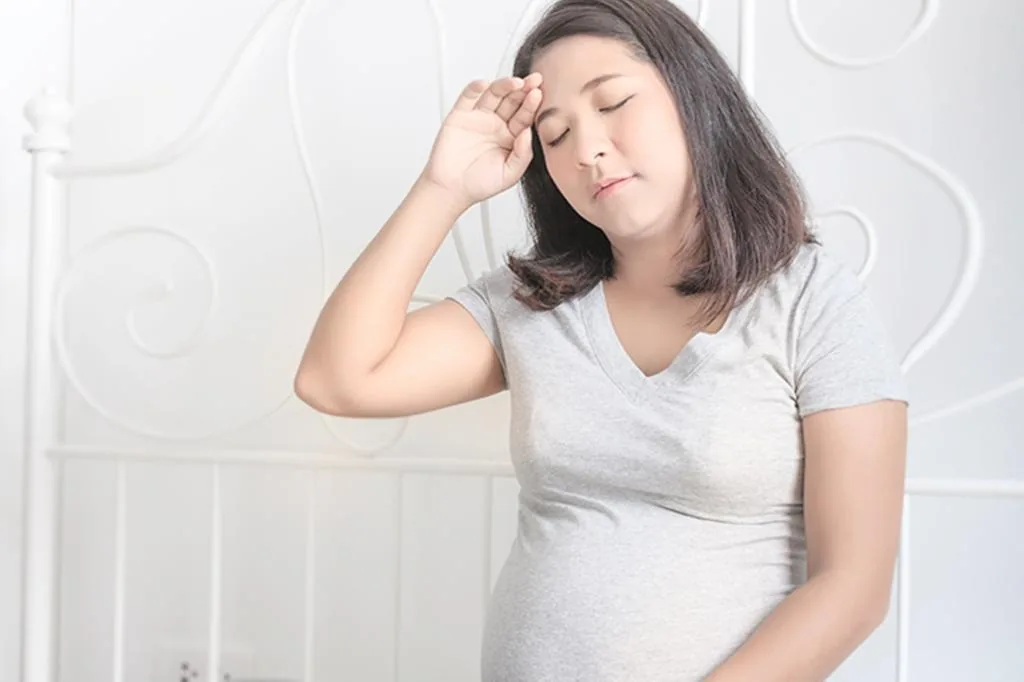
Hormones. Several rise sharply in pregnancy, oestrogen among them, and they change how much you sweat, particularly under the arms.
The same hormones sharpen your sense of smell. Quite a few women do not smell any different to anyone else at all. They have simply become far more aware of themselves.
More sweat. Your blood volume rises and your metabolism runs faster, so you feel hot when nobody else in the room does. In a Malaysian climate that means sweating most of the day.
Fresh sweat is almost odourless. The smell comes from bacteria on your skin breaking it down.
Food. Red meat, seafood, onions, garlic and strong spices are linked to stronger body odour in some people. You do not need to cut them out. It just helps to notice.
Two kinds of sweat gland
This tells you what to do about it.
Eccrine glands cover your whole body. Their sweat is mostly water and salt, it cools you down, and it barely smells.
Apocrine glands sit in the underarms and groin. Their sweat is thicker, with proteins and fats in it, and skin bacteria turn those into the smell you notice.
So you have two levers: less sweat sitting on the skin, and fewer bacteria working on it.
What helps
Wash twice a day, and dry properly with a clean towel. A damp underarm is the comfiest place on your body for bacteria.
Keep the skin moisturised. Dry, irritated skin is harder to manage.
Wash your hair regularly, especially if it spends the day under a tudung.
Trim underarm hair, which holds sweat against the skin.
Wear loose clothes in fabrics that breathe, such as cotton or linen, and change them daily.
Drink when you are thirsty, which in this weather is often.
Use a deodorant every day, on clean, dry skin.
Your clothes may be part of it
If the smell comes back within hours of a shower, check what you are wearing before you blame your body.
Synthetic fabrics hold sweat and bacteria far longer than cotton. Clothes that were washed but not dried properly pick the smell straight back up, which is easy to miss in a rainy week when nothing dries on the line. Wash exercise clothes and underwear after one wear, and make sure they are fully dry.
Some advice worth correcting
SLS and triclosan are irritants. Some women avoid them in pregnancy to lower the chance of irritation, which is a fair reason on its own. The Cosmetic Ingredient Review panel has assessed SLS as safe in products designed for brief use and rinsing off.
The sun does not cause body odour directly. Heat makes you sweat, sweat meets bacteria, and that is the smell.
Two litres of water will not fix it. Staying hydrated matters for plenty of reasons, especially in this heat, but there is no good evidence that drinking a set amount controls sweat. Sweating responds to your core temperature.
Antiperspirants and deodorants do different jobs. Antiperspirants classically use aluminium salts to reduce sweat. Deodorants work on odour. Products without aluminium are mainly deodorants, and some add minerals that help underarms feel drier.
Choosing something to use
What most women want at this stage is a simple formula that does not sting skin that has turned more sensitive.
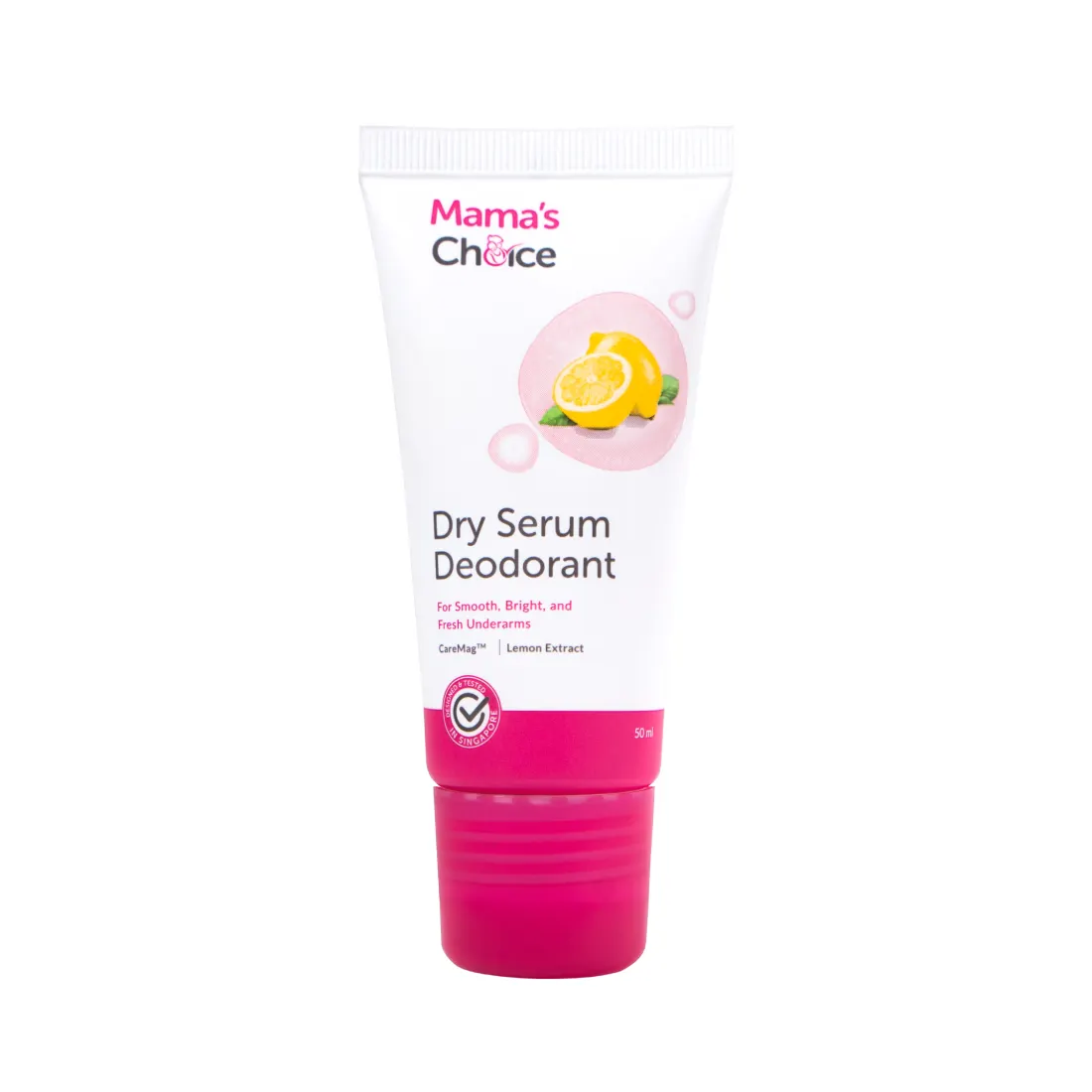
Mama's Choice Dry Serum Deodorant is a light roll-on serum that helps control body odour and helps reduce sweating, with magnesium minerals from the Dead Sea. It absorbs quickly and does not feel sticky, and it is made without aluminium, alcohol or parabens. In a Mama's Choice home-use test with 30 mothers in Indonesia (2023), 97% felt underarm odour was reduced while they used it.
Our guide to choosing a deodorant for pregnancy goes through the ingredients one by one.
Darker underarms
Many women notice this at the same time. It is the same hormonal pigment change that darkens the line down your belly, and it usually fades gradually after the birth.
Harsh hair removal can make it look worse, so a blunt razor or plucking will set it back. The niacinamide in our deodorant helps brighten the look of underarm skin with regular use.
When to mention it to a doctor
Body odour in pregnancy is rarely a sign that anything is wrong. Mention it at your next antenatal check, or see your klinik kesihatan sooner, if it comes with:
- Sweating heavy enough to disrupt your day
- Underarm skin that is red, sore or broken
- A sudden change along with other symptoms
- Fever, tiredness or losing weight without trying
After the birth, hormones settle and sweating usually returns to normal by itself.
Sources
Share this article
This article is for information only and is not a substitute for diagnosis or medical advice. Please talk to your doctor about your own situation.