Stretch marks on thighs: causes and what helps
Thigh stretch marks are not only a pregnancy thing. What causes them, how common they are, and what daily care can do to help them look softer.

They turn up on the backs and sides of your thighs, where you can barely see them, and you have no idea when they arrived.
Stretch marks on the thighs are very common, and they are not only a pregnancy thing. Plenty of women first got them as teenagers.
What causes them
Stretch marks are fine lines that form when your body changes size faster than your skin can keep up. They can be pink, red, purple, reddish brown or dark brown, depending on your skin tone, and they fade to a paler colour over time.
Weight changing quickly, in either direction. The connective fibres in the skin are stretched further than they can adapt, and they tear.
Puberty. Fast growth often shows on the thighs, hips and breasts first. DermNet puts it at around 70% of teenage girls and 40% of teenage boys.
Muscle growth. Training that builds size quickly stretches the skin over it. Thighs and shoulders are common spots.
Some medicines. Strong steroid creams used for a long time thin the skin, which makes marks more likely. Use them only as your doctor prescribed.
Pregnancy. Your thighs and hips often change alongside your bump, especially in the later months.
Can you prevent them?
Nothing can promise you will avoid them, because the strongest predictor is your genes. The habits below are still worth keeping, as each helps your skin and your health in other ways too.
Drink enough. Malaysian heat and humidity mean you lose more water through sweat than you might think. Drink to thirst, and a little more on hot days. If you fast during Ramadan while pregnant, check with your doctor first and drink well between iftar and sahur.
Eat for your skin. Protein from fish, eggs, chicken, tempeh and beans. Vitamin C from guava, papaya and citrus. Zinc from nuts, seeds and seafood.
Keep moving. Regular walking or swimming is good for you and your skin. Only very rapid muscle building raises the risk.
Let weight change gradually. Skin copes better with change over months than over weeks.
Helping them look softer
Stretch marks rarely disappear completely, whatever you use, and the NHS notes the evidence on creams is limited. What daily care can do is keep skin soft and supple and help marks look less noticeable over time.
New marks, still red or purple, respond better than older silvery ones.
Moisturise consistently. Twice a day, ideally straight after your shower while your skin is still a little damp. Massage it in rather than smearing it on. Doing this for months makes far more difference than which product you chose.
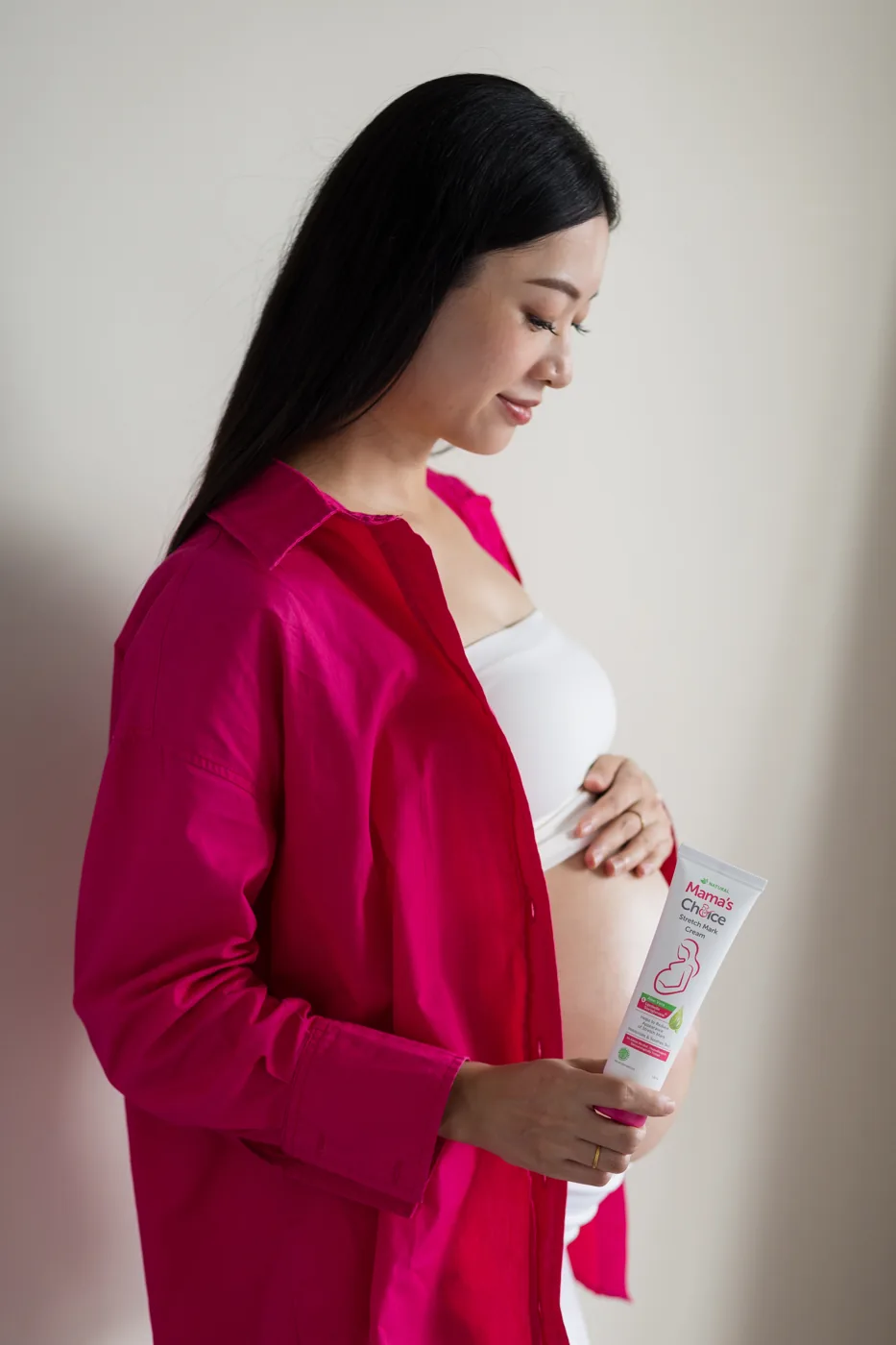
Mama's Choice Stretch Mark Cream is light, non-sticky and quick to absorb, so you can pull on your clothes soon after. It deeply moisturises, keeps skin supple and helps prevent stretch marks, with Lipobelle Soyaglycone, aloe vera, shea butter, olive oil and jojoba oil.
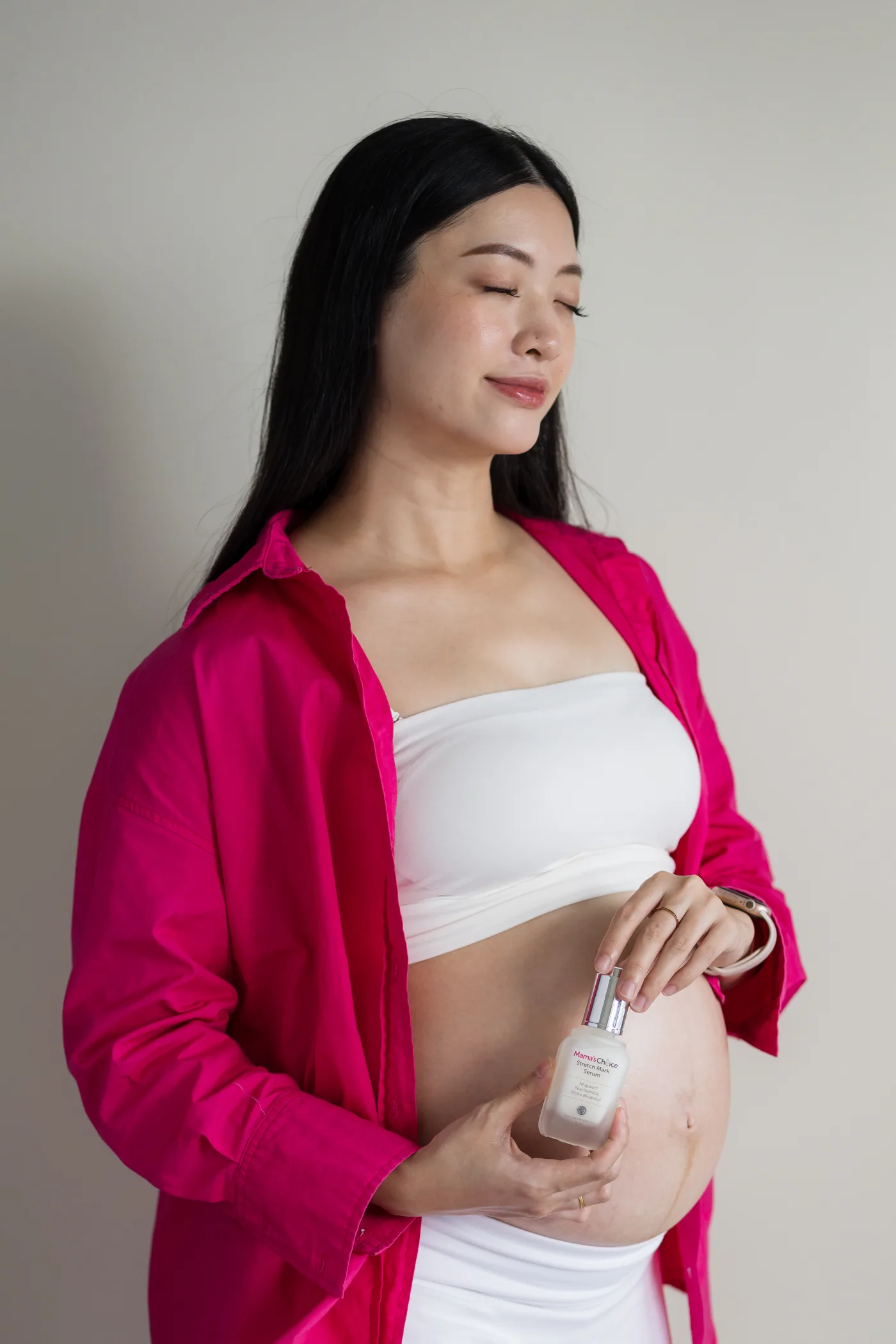
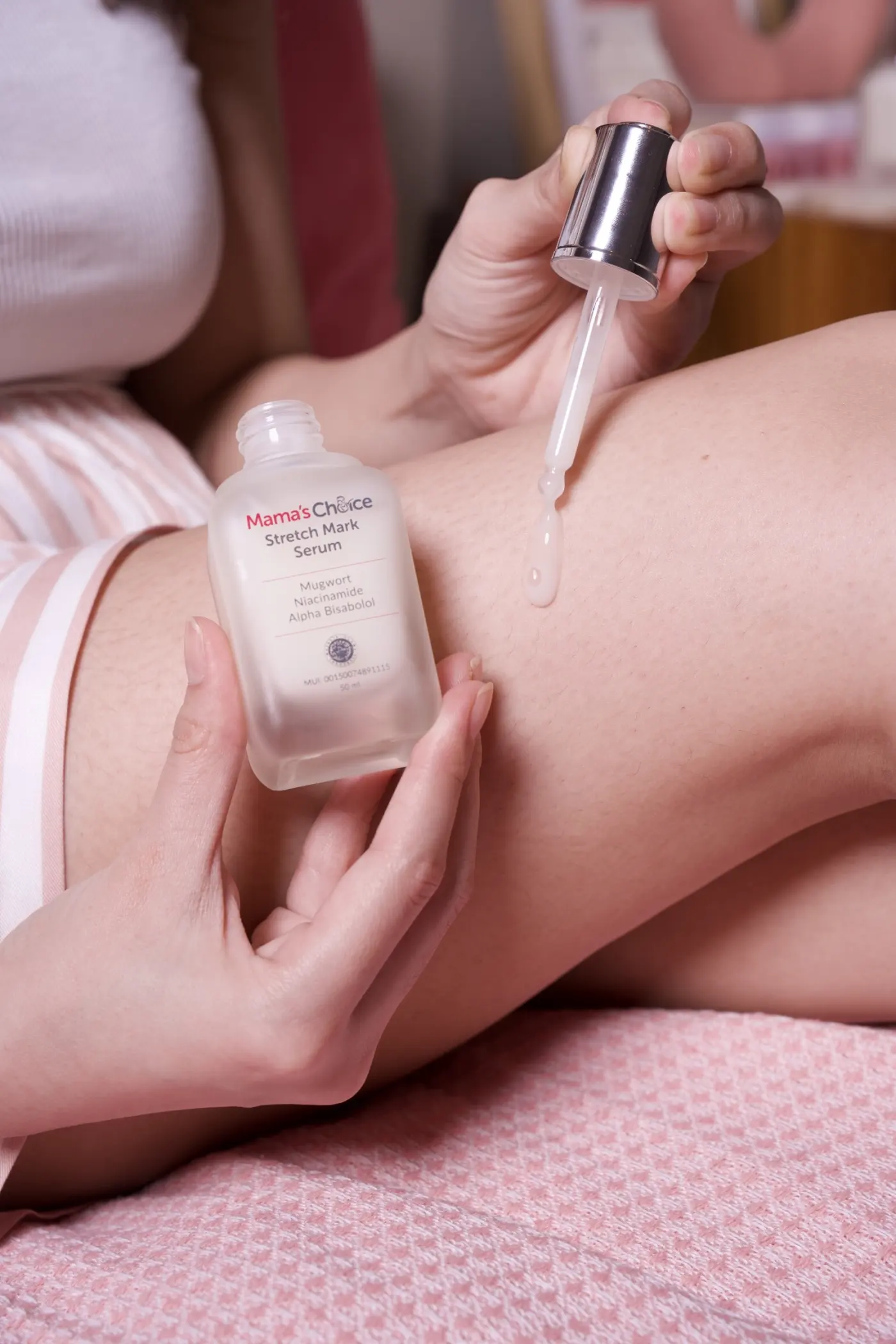
Add a serum for marks you already have. The Stretch Mark Serum is lighter still and made for marks that have formed, with niacinamide, Japanese mugwort and bisabolol. It helps reduce the look of stretch marks and helps skin tone look more even. Apply it first, then the cream.
Both are formulated for pregnancy and breastfeeding, and they suit stretch marks that have nothing to do with pregnancy just as well.
What a clinic can do
Laser, microneedling and chemical peels are used by dermatologists to improve how stretch marks look. They do not remove marks, they need several sessions, and they are usually postponed until after pregnancy and breastfeeding. Your doctor can refer you to a dermatologist if you want to look into them.
When to see a doctor
Stretch marks on their own rarely need medical attention. Raise it with your doctor if:
- They appear very fast and widely with no change in weight
- Your skin feels unusually thin and bruises easily
- A mark is painful, warm, or ringed with spreading redness
- Weight is building up on your upper body and face only
That combination can point to a hormonal condition such as Cushing's syndrome, which needs checking in its own right.
Sources
Share this article
This article is for information only and is not a substitute for diagnosis or medical advice. Please talk to your doctor about your own situation.